Objective
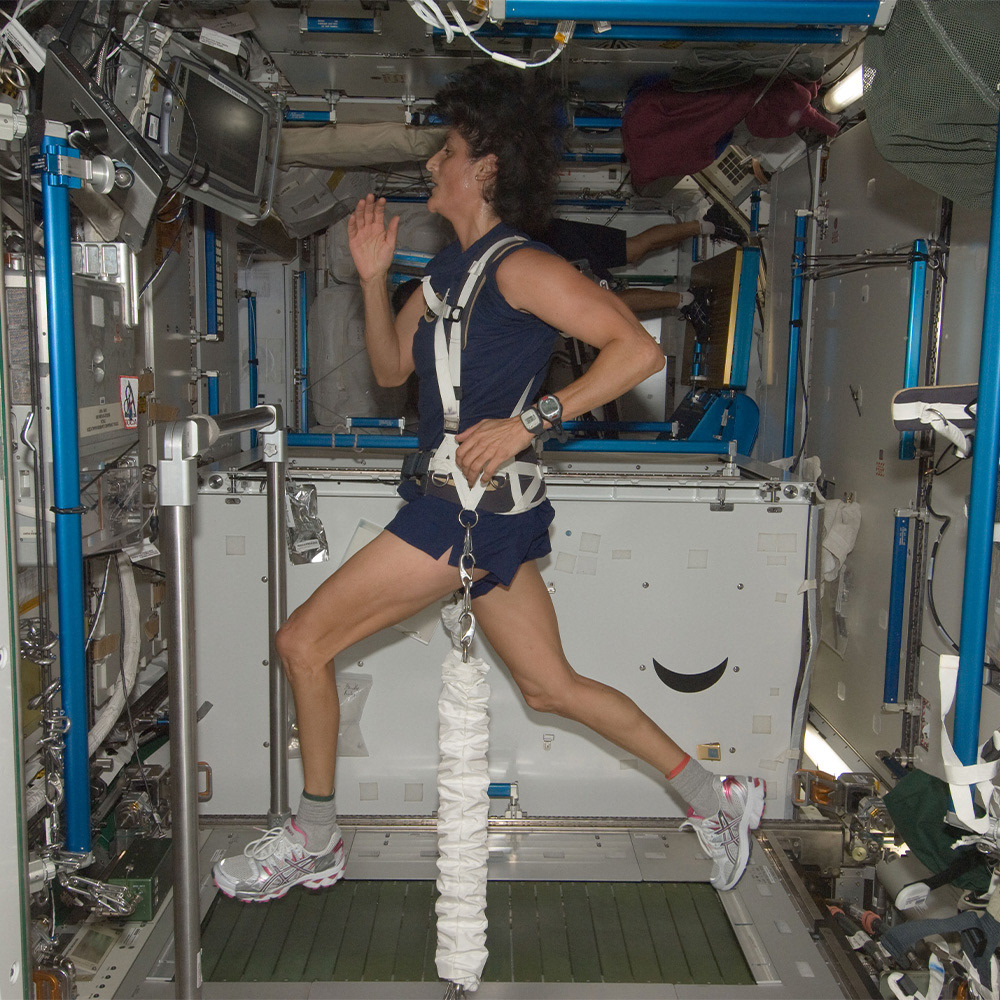
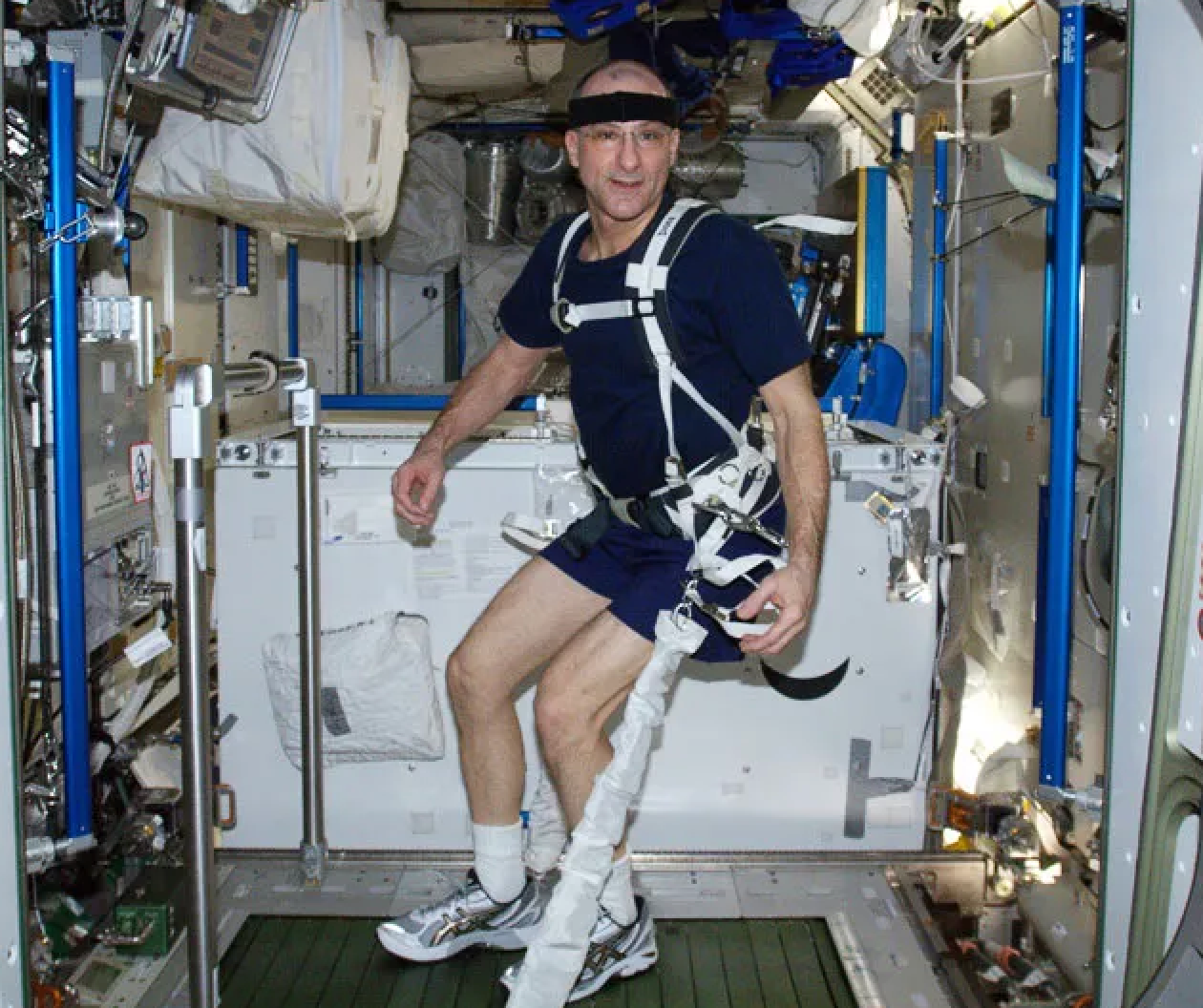
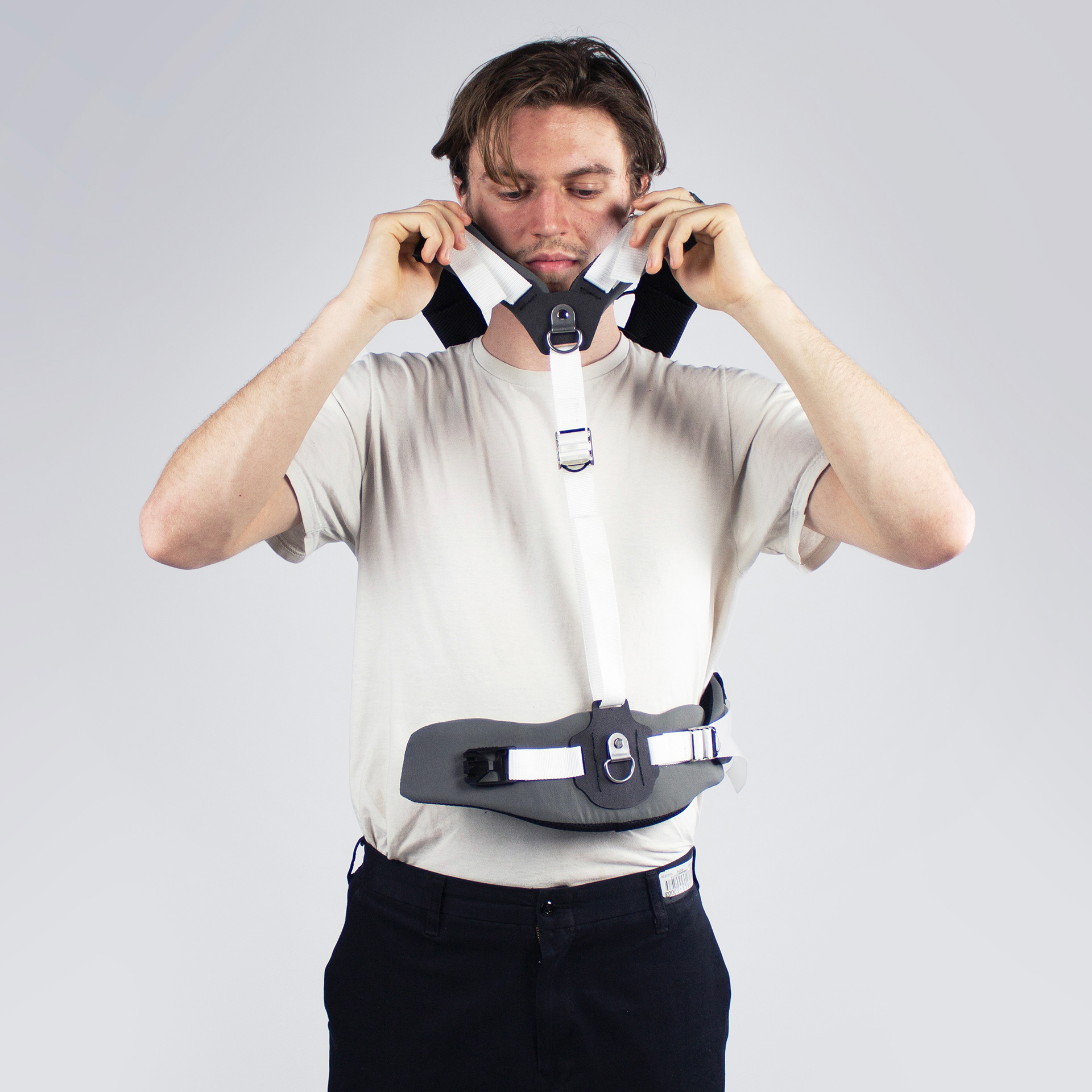
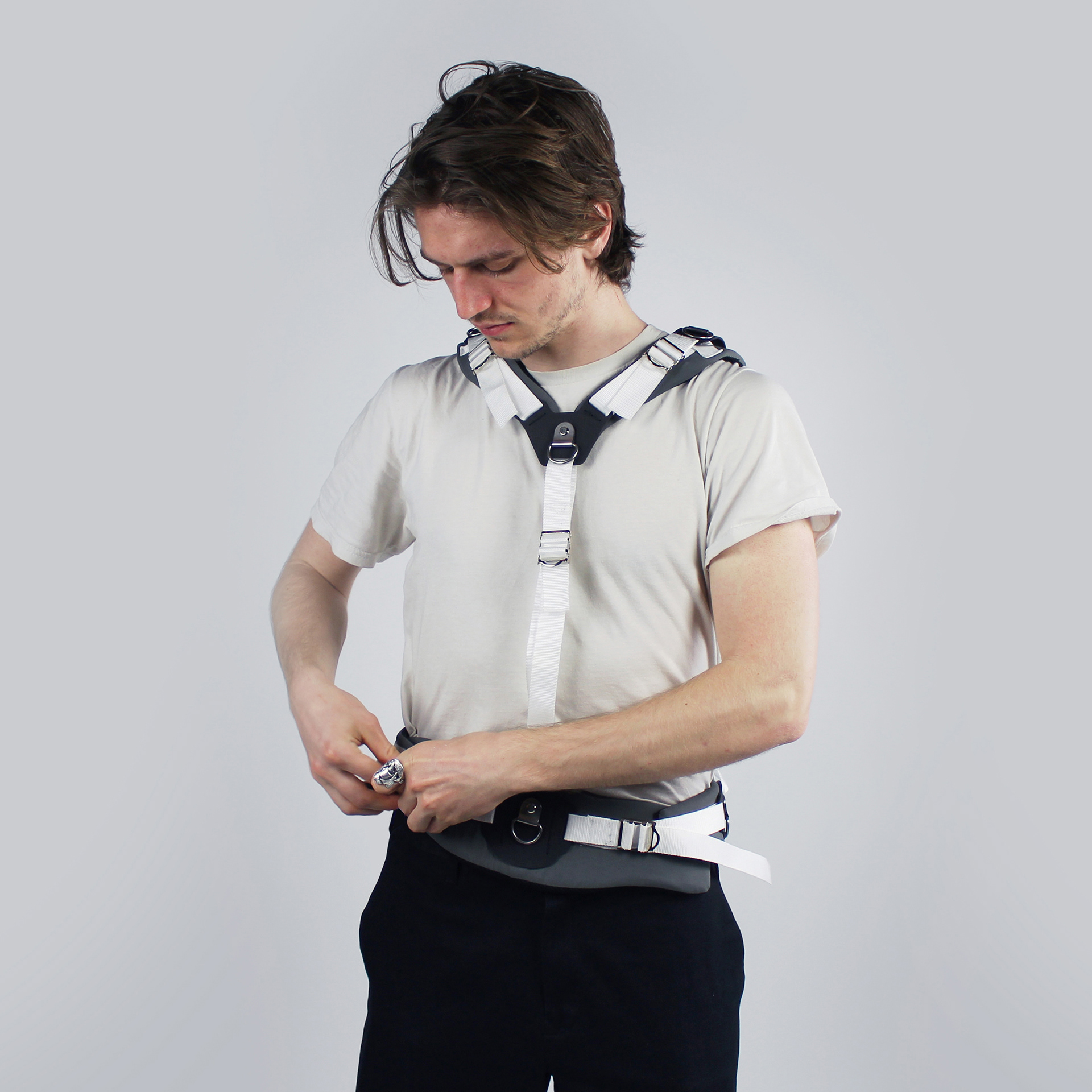
Current astronaut exercise harnesses are uncomfortable, limited to treadmill use, and provide no feedback on athletic loading. These shortcomings compromise exercise efficiency and increase health risks. The NASA-sponsored project objective was to redesign the harness for microgravity, improving comfort, load distribution, and adaptability for the two-plus hours astronauts must exercise daily.
Solution
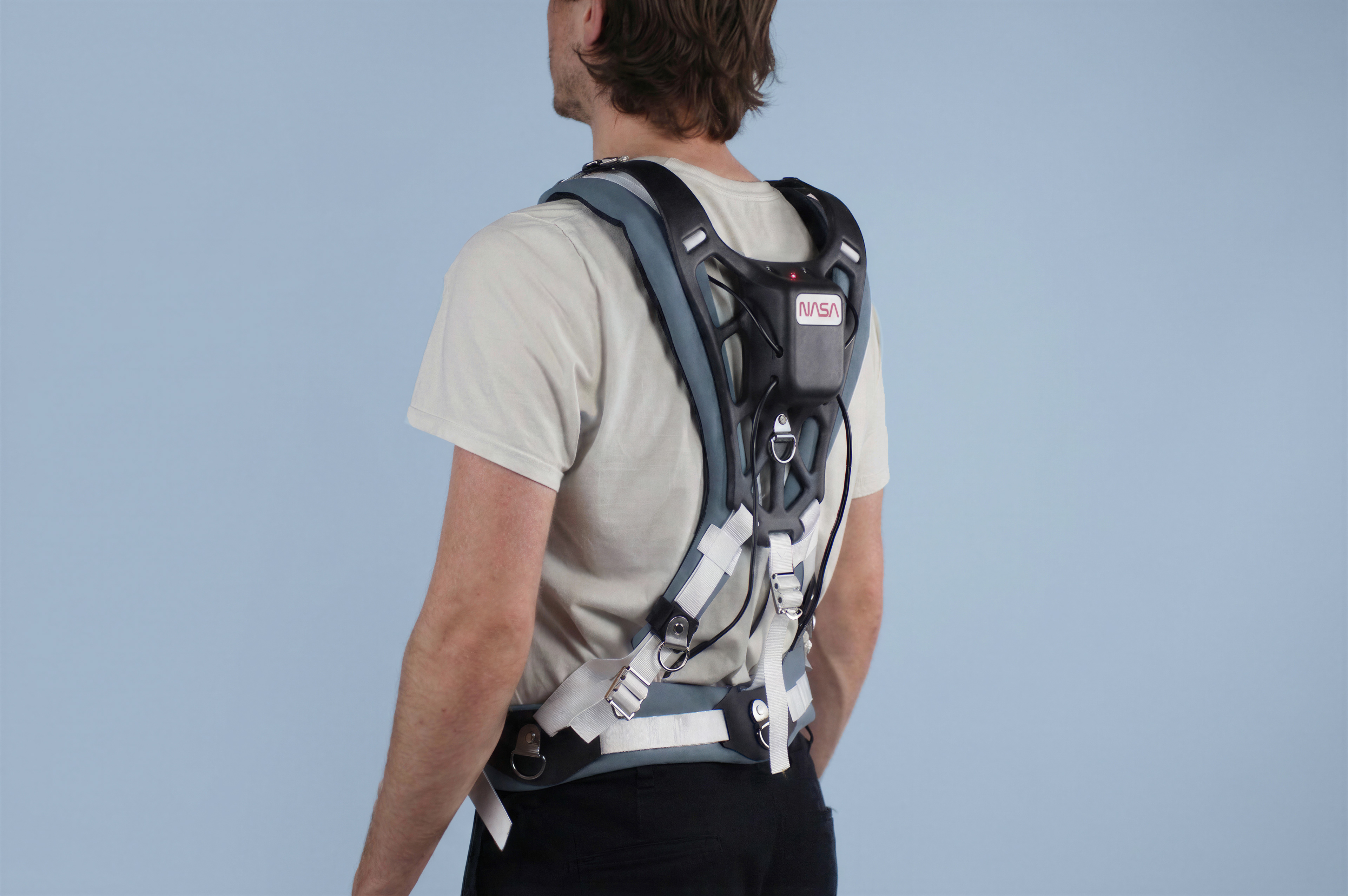
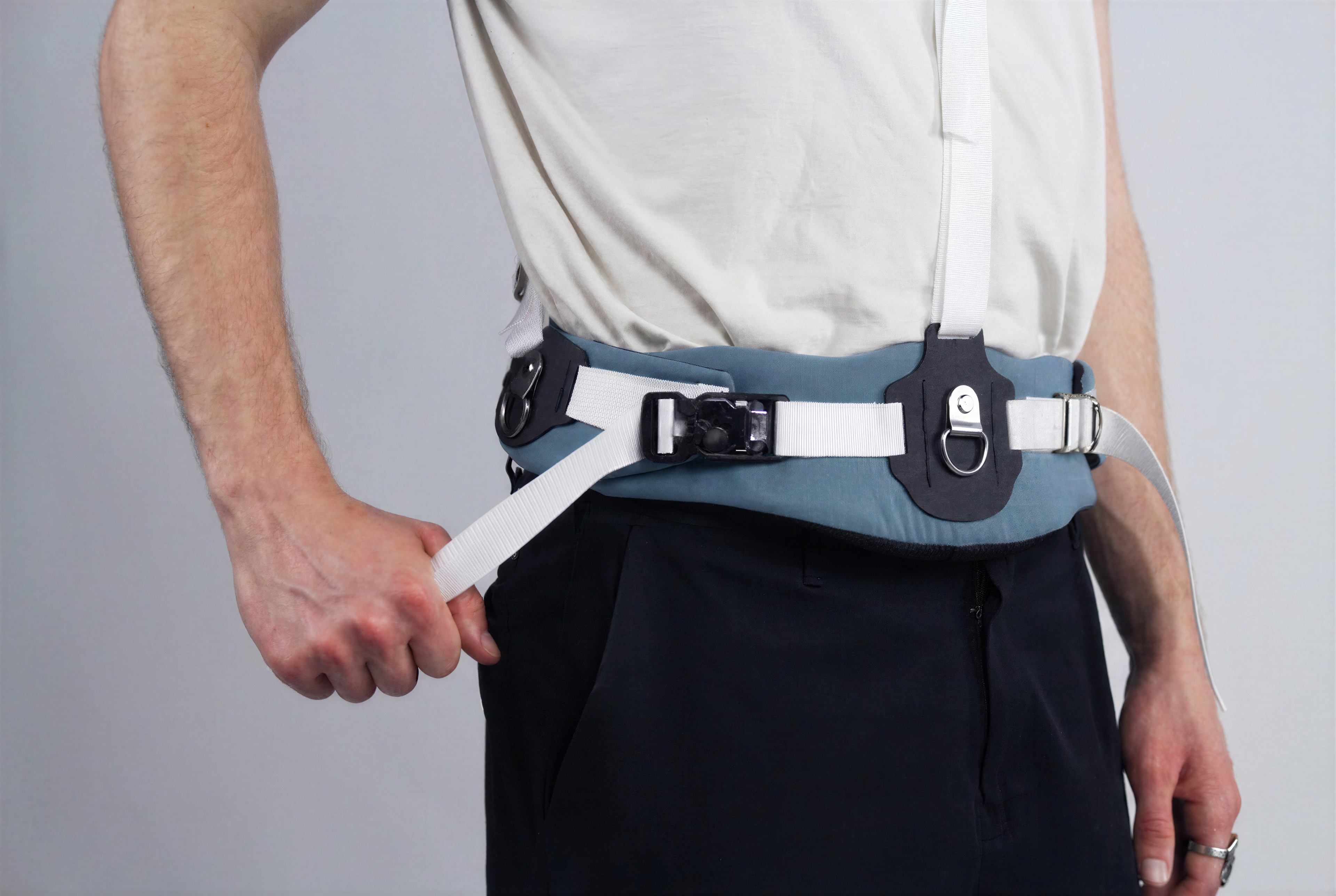
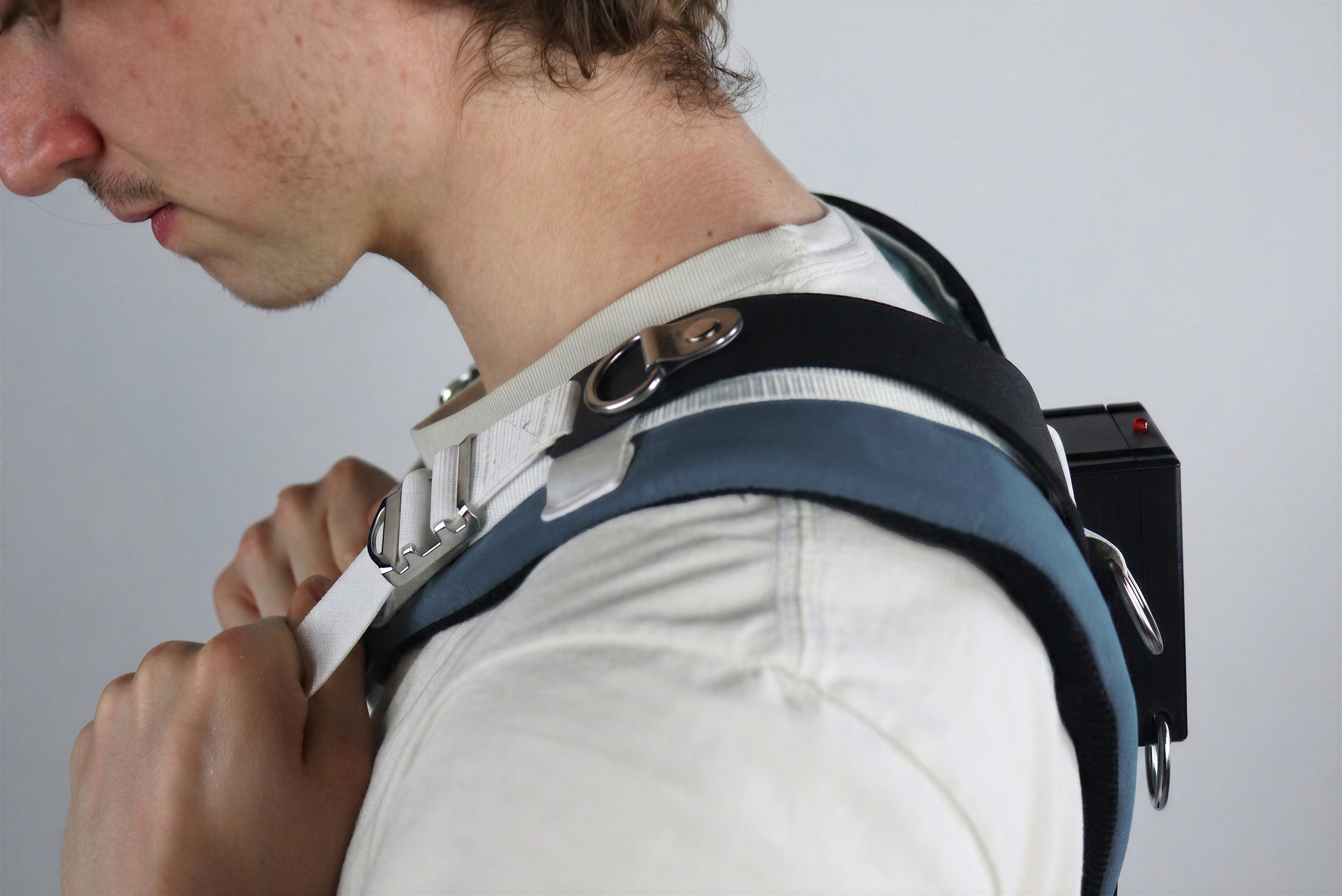
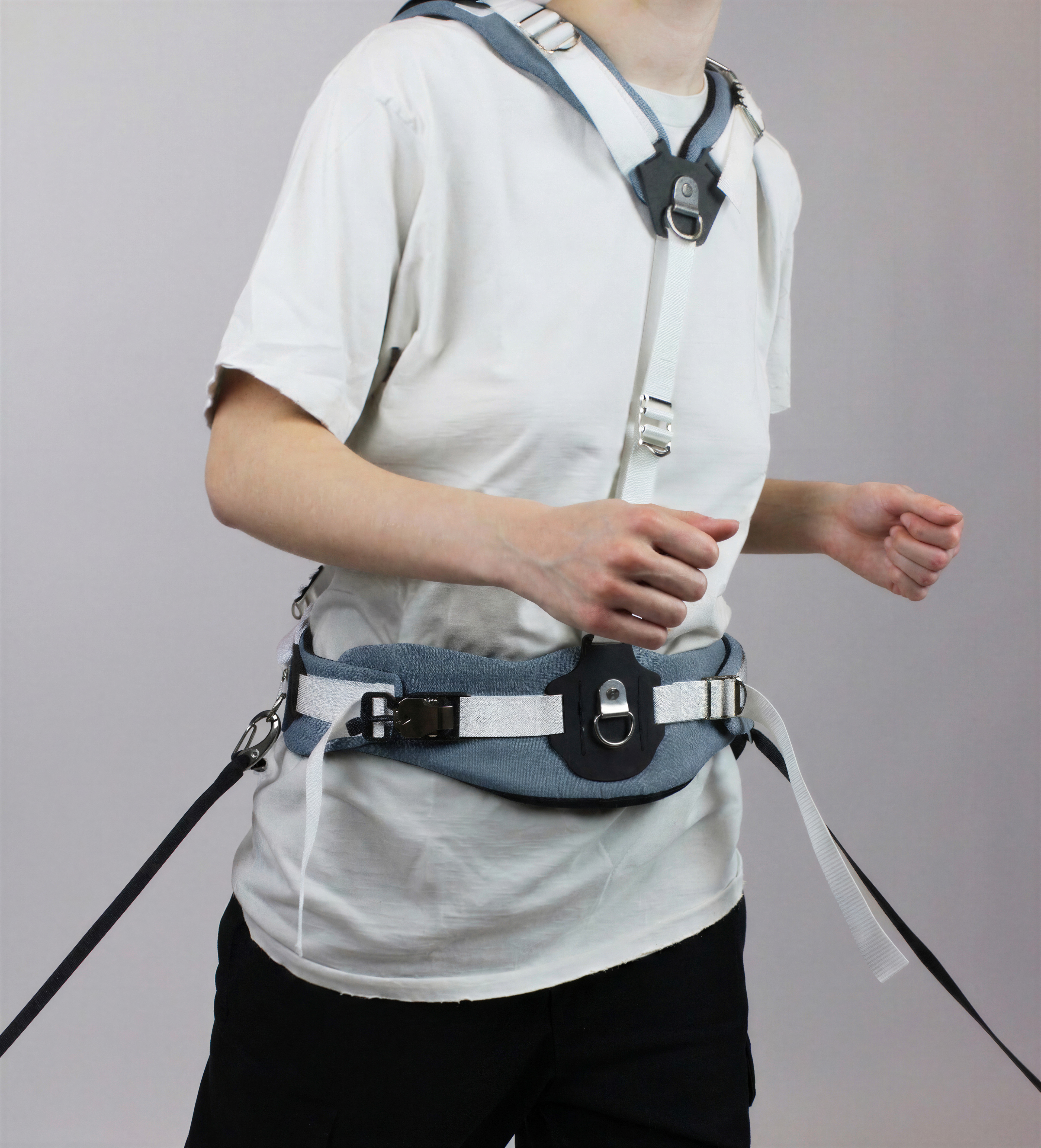
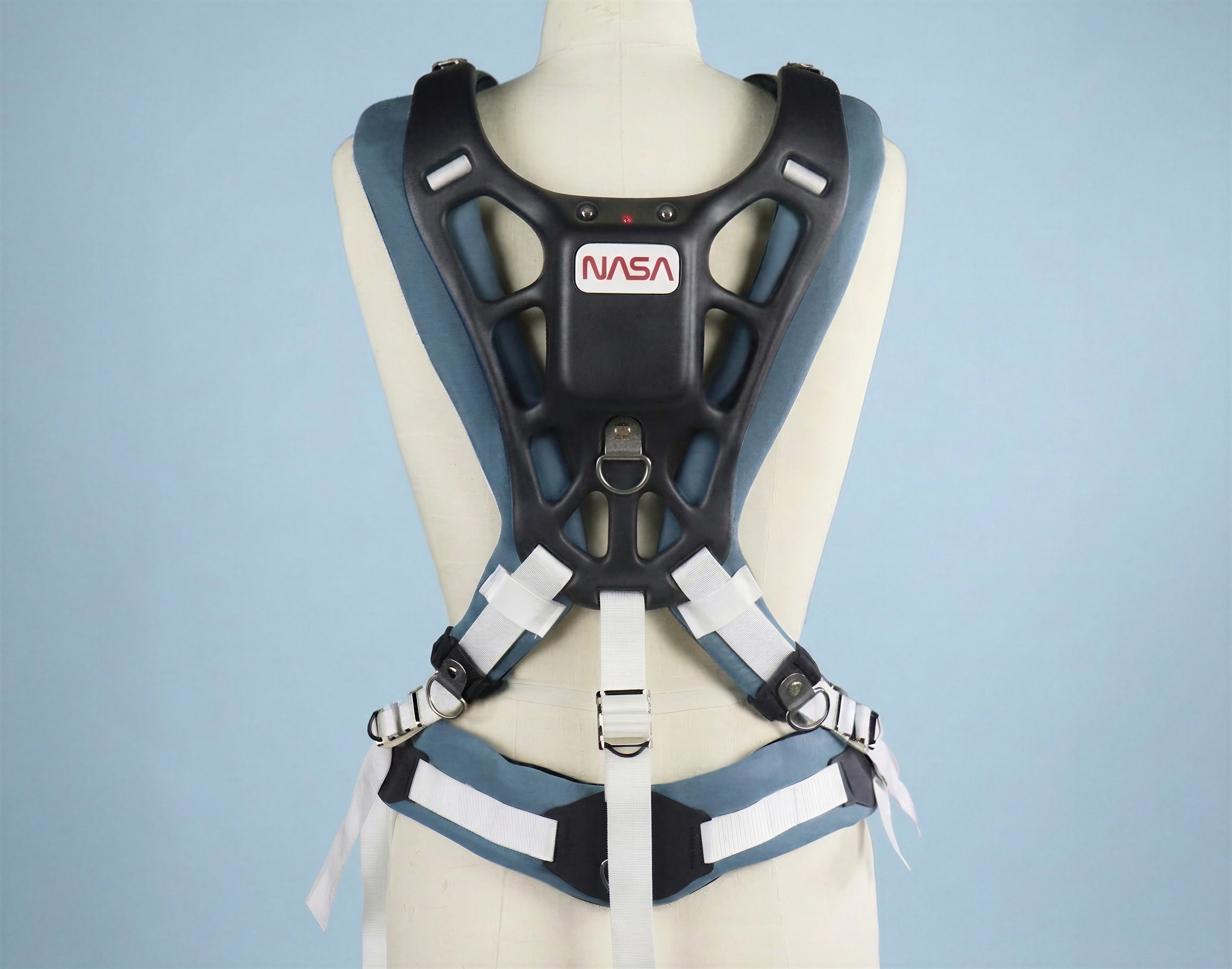
The redesigned harness combines an exoskeleton for load distribution, Y-shaped adjustable straps to avoid the chest area, and pivoting D-rings for mobility. Embedded FSR sensors link to an Arduino to track loading precisely. Ten attachment points enable new exercise modalities, while the highly adjustable, ergonomic fit accommodates a wide range of astronauts.


Process
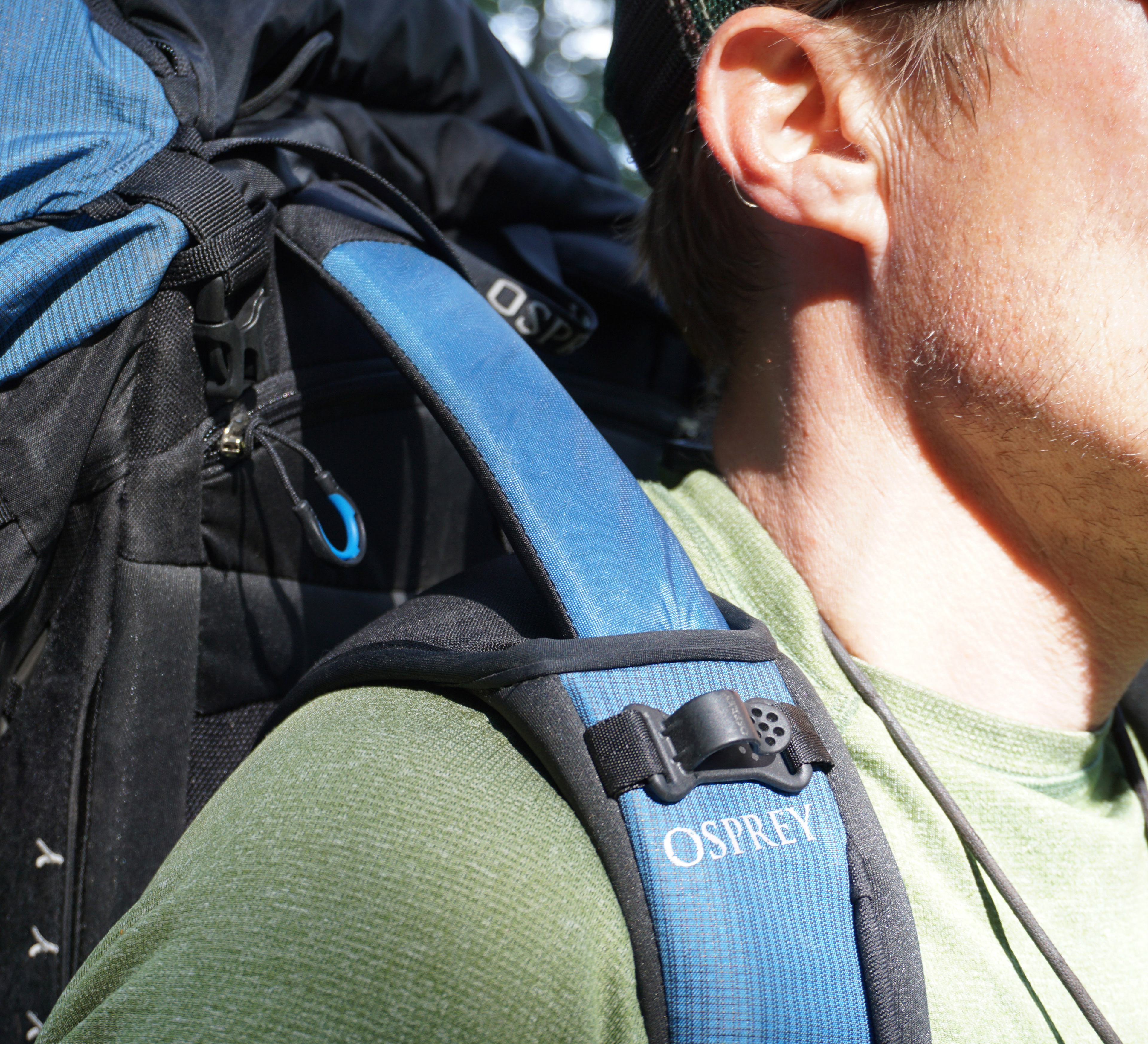
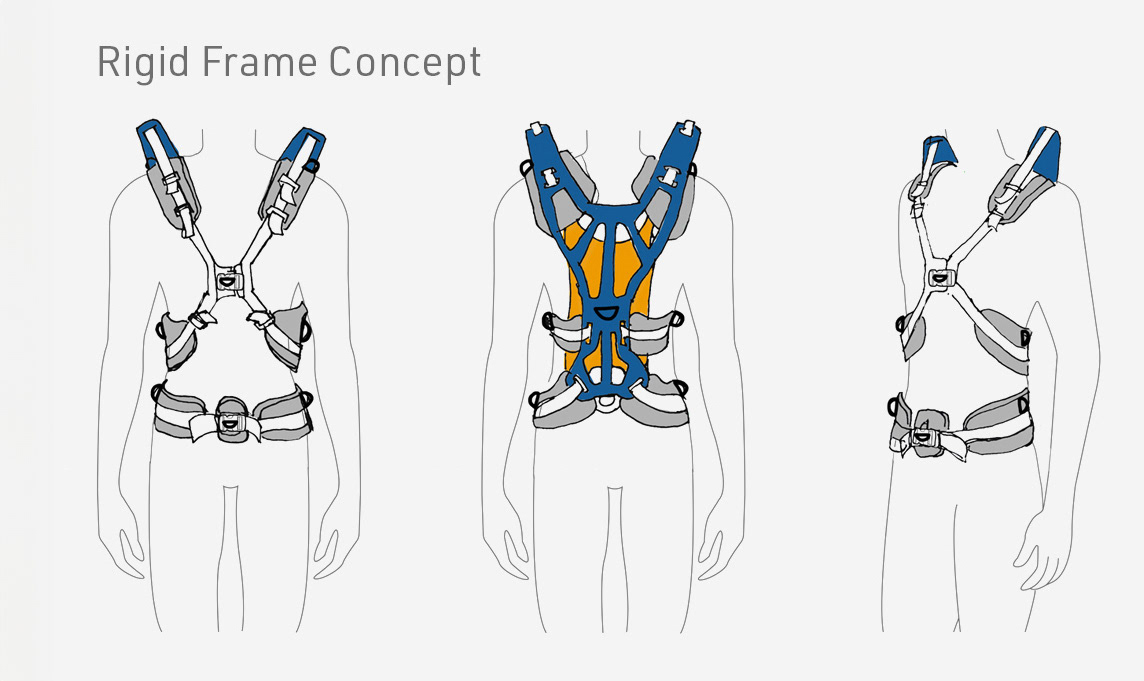

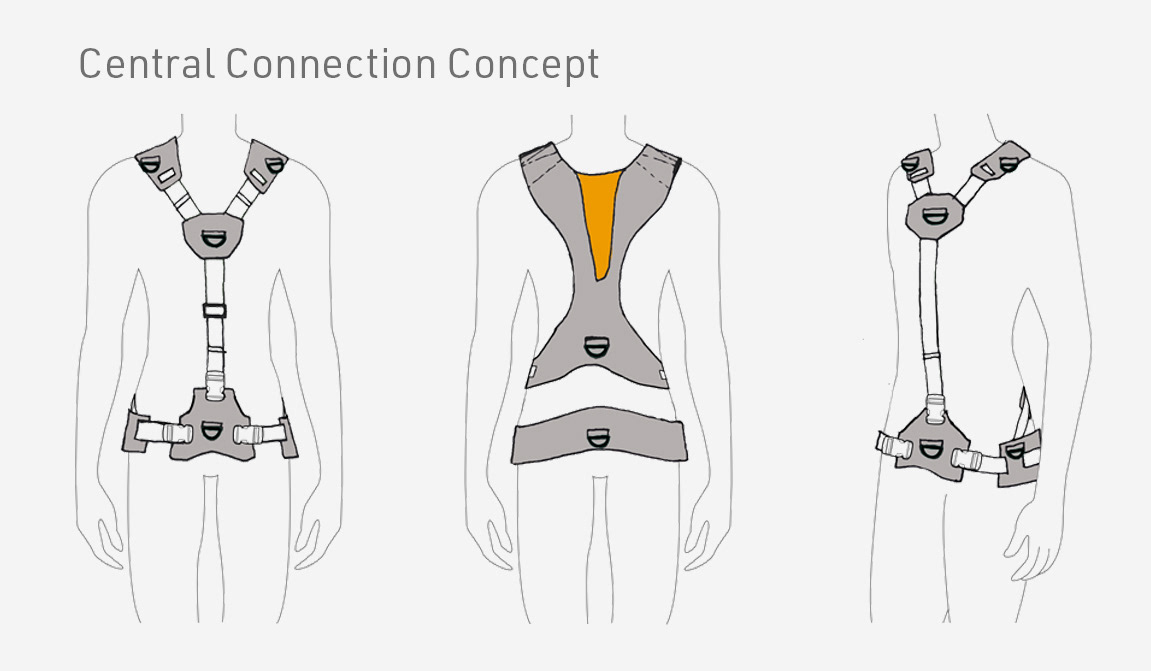
Inspiration. Our two inspirations were the Osprey Autolift system (top) and the NASCAR Five Point Belt (bottom), which led to two core concepts. Our NASA mentors advised combining them, creating a hybrid approach that prioritizes comfort and load distribution.

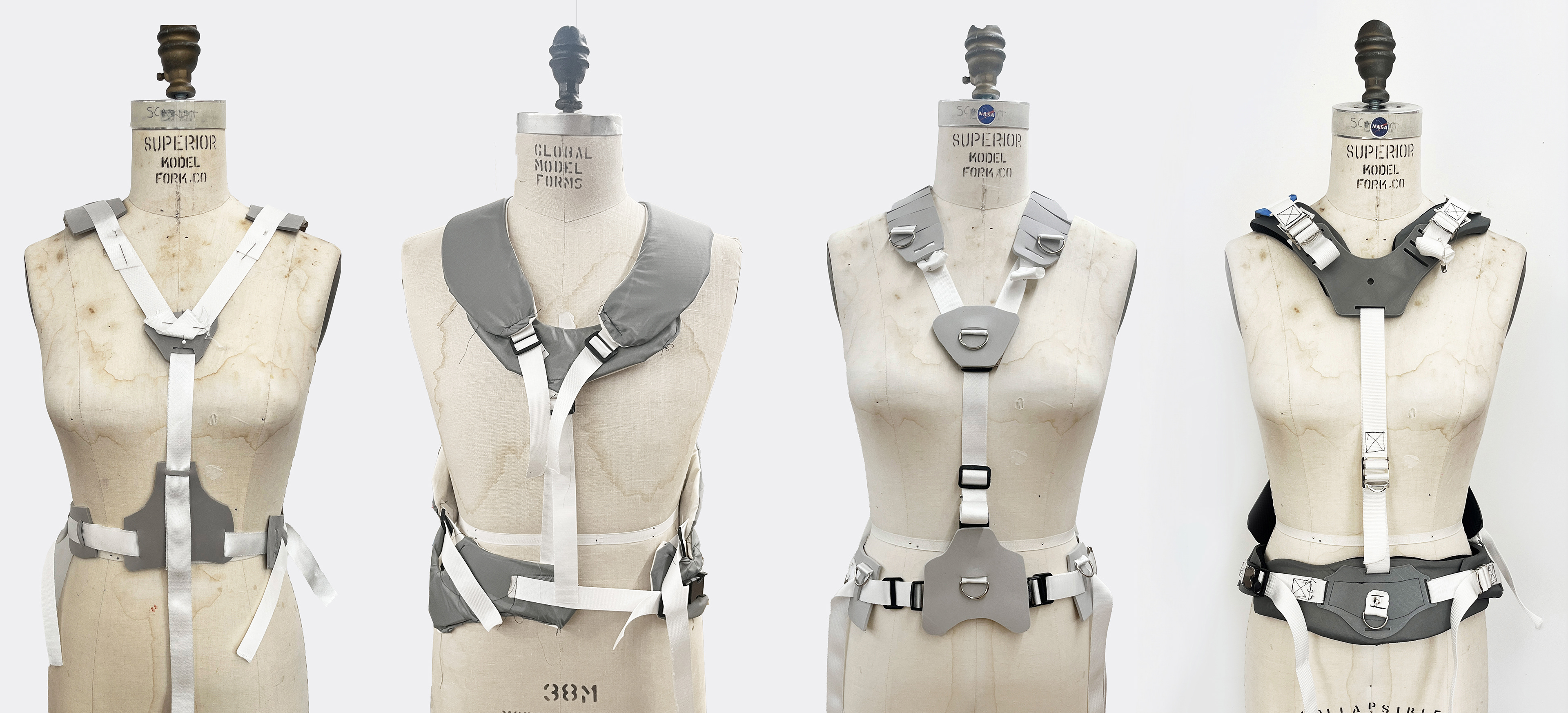
Prototyping. After determining the direction, we created a series of foam, webbing, and fabric prototypes to prioritize comfort, efficiency, and attachment points, with ongoing user testing.
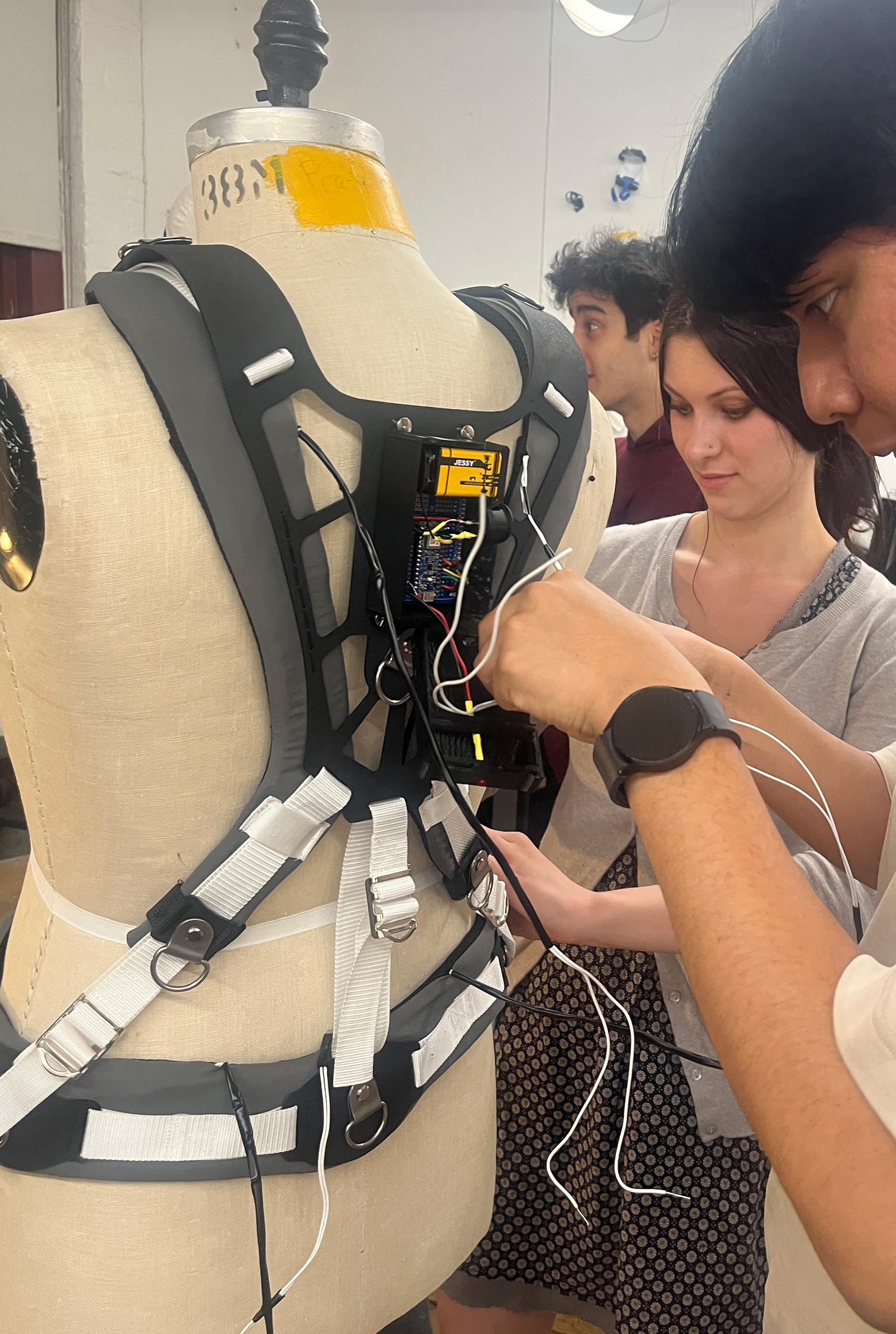
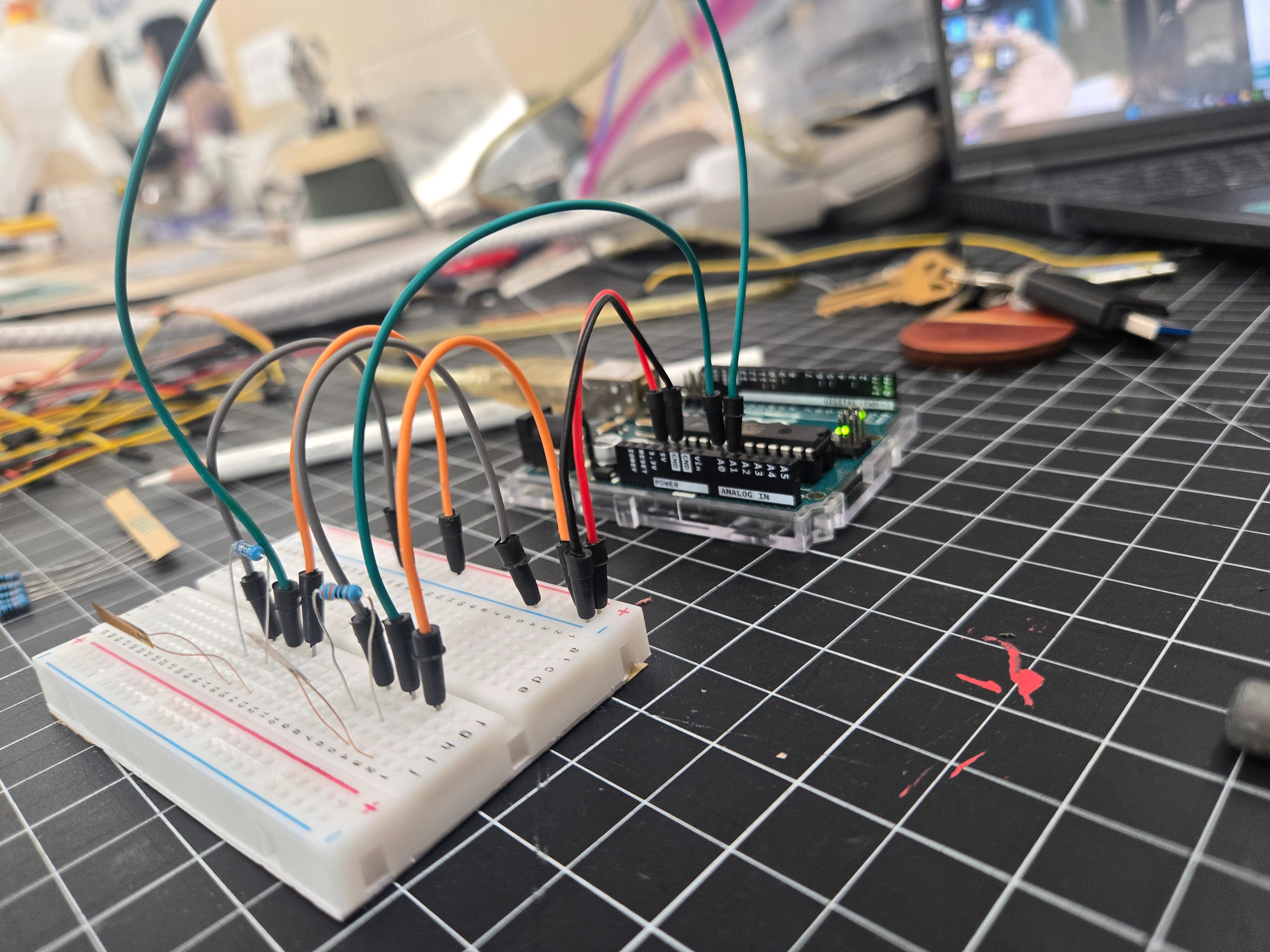
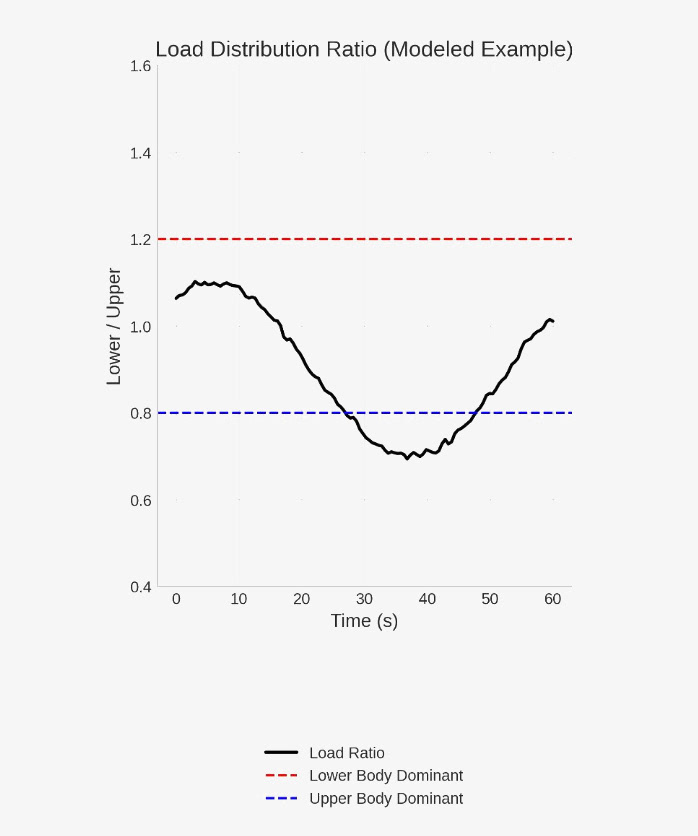
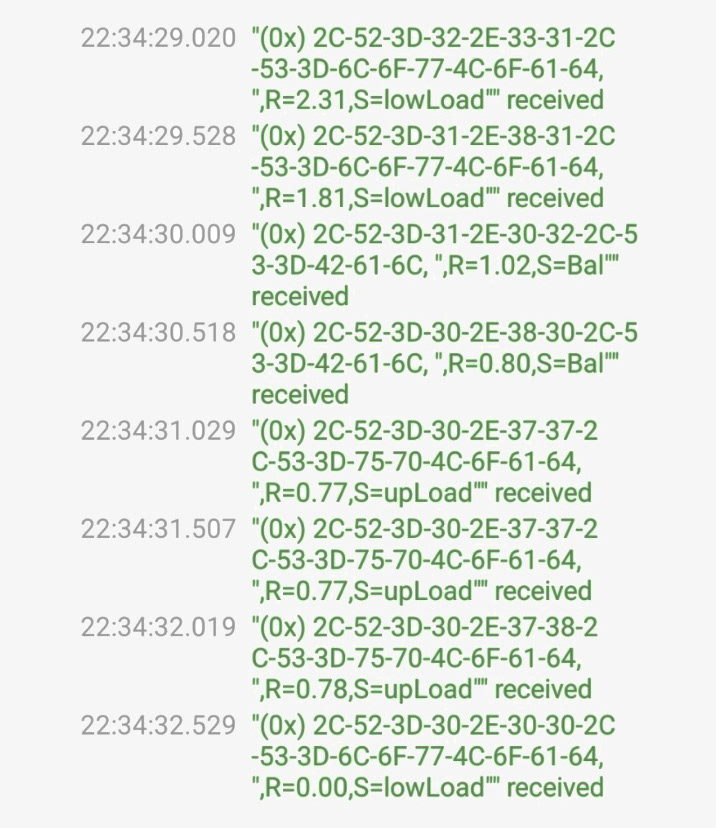
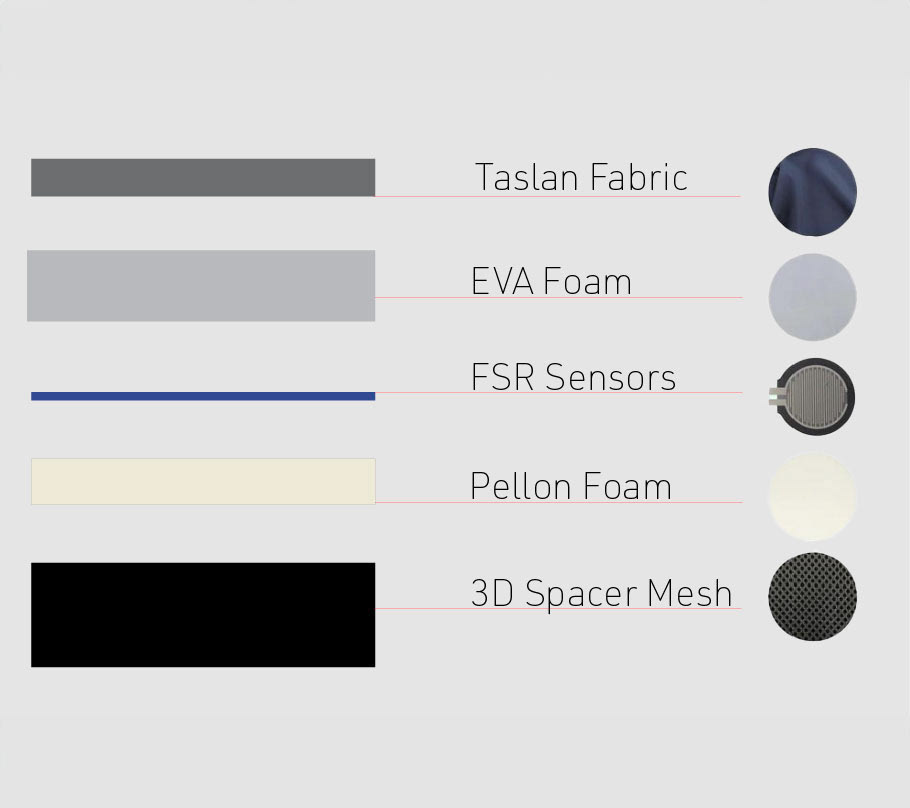
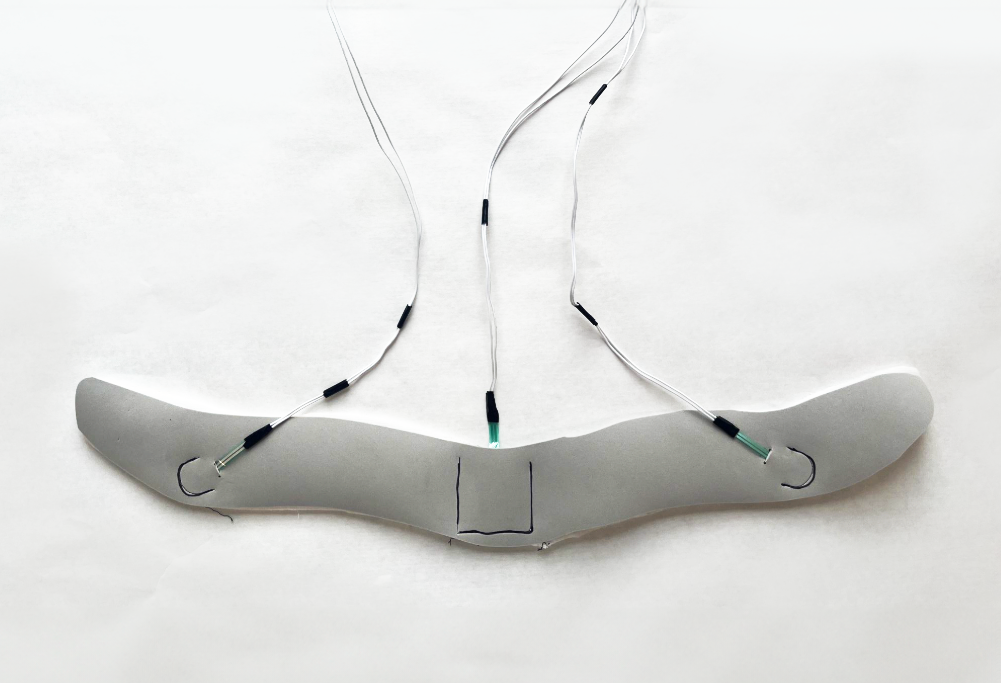
Electronics. In order to understand proper loading, we integrated FSR sensors which are embedded in the harness and connected to an Arduino microcontroller mounted on the back.
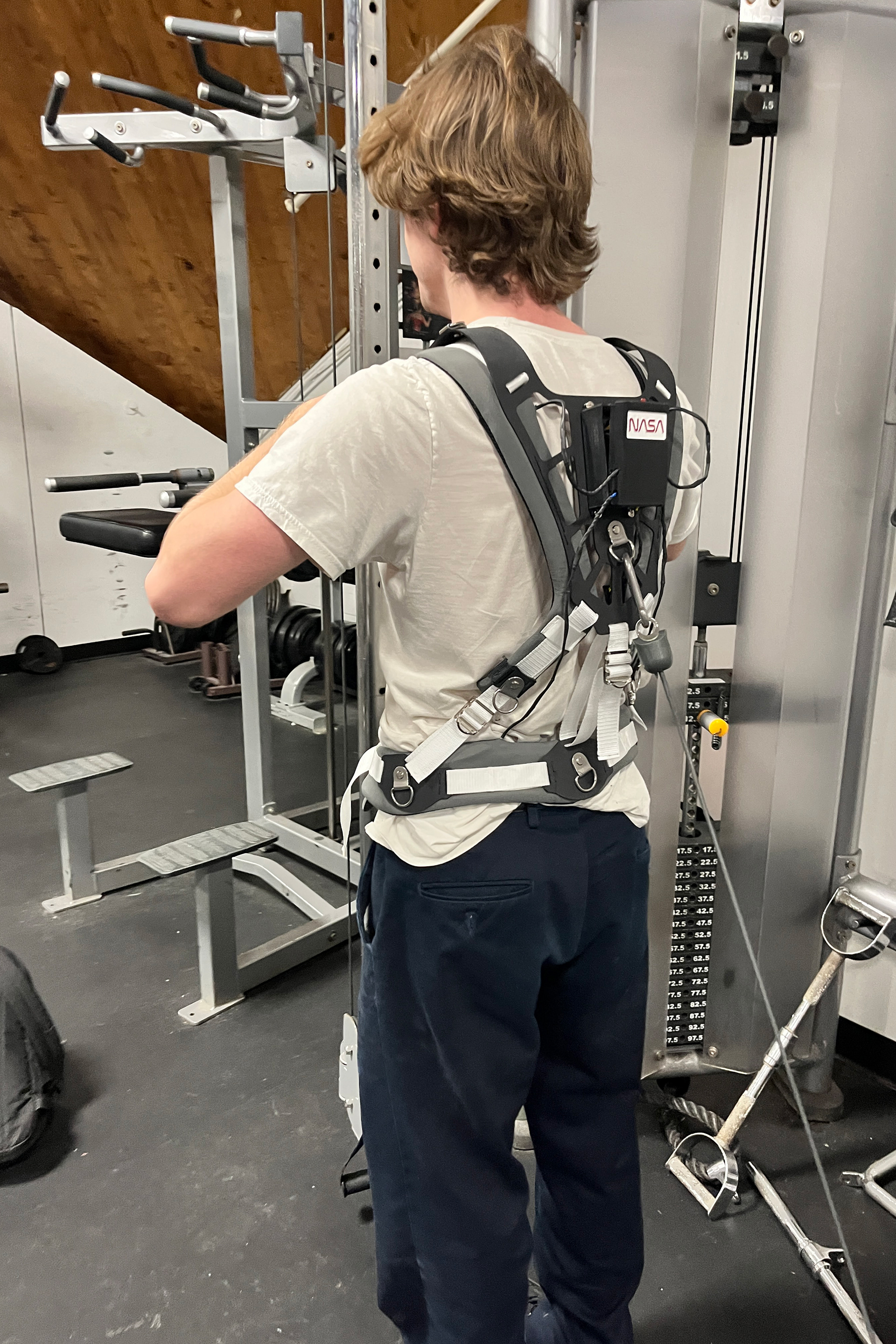
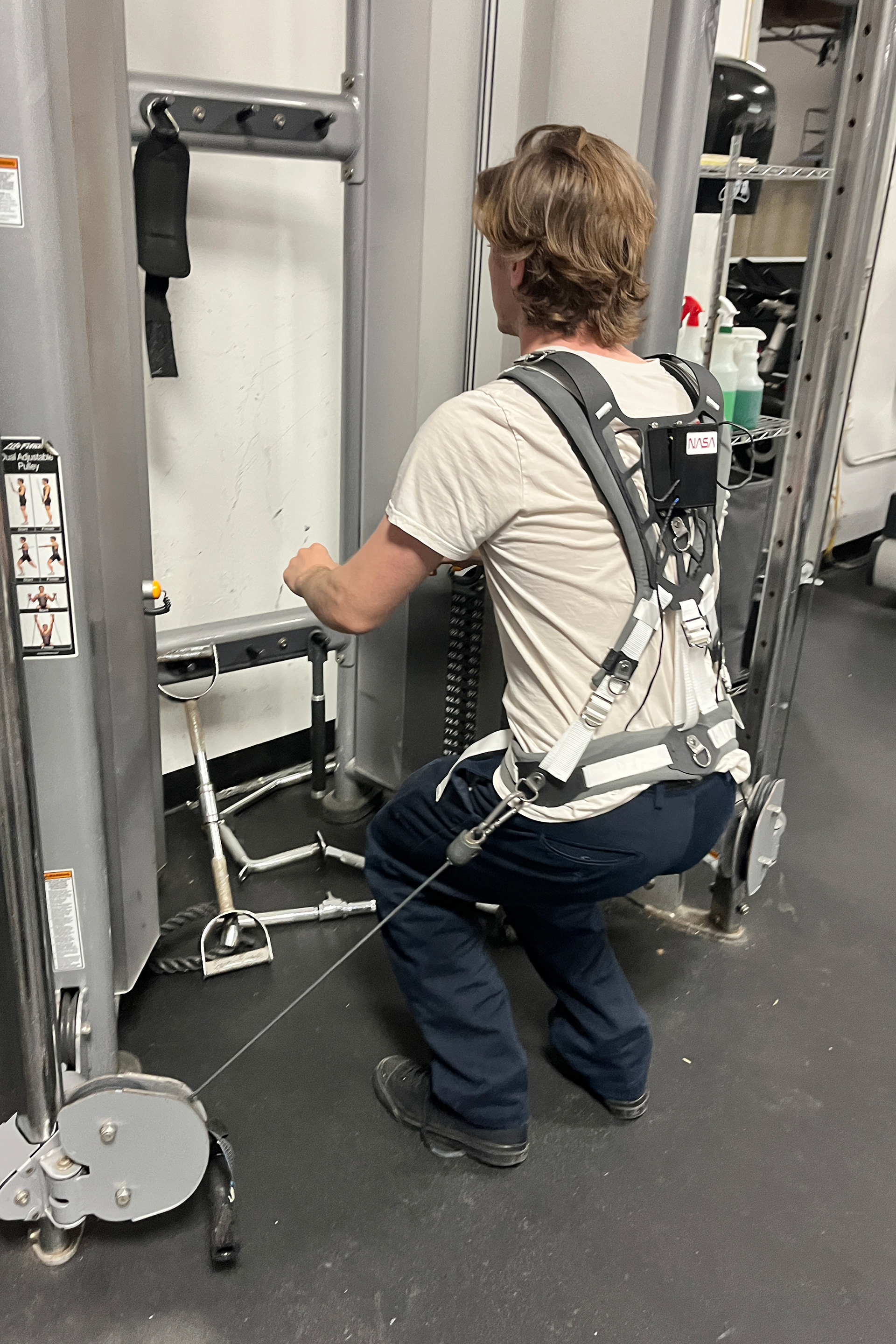
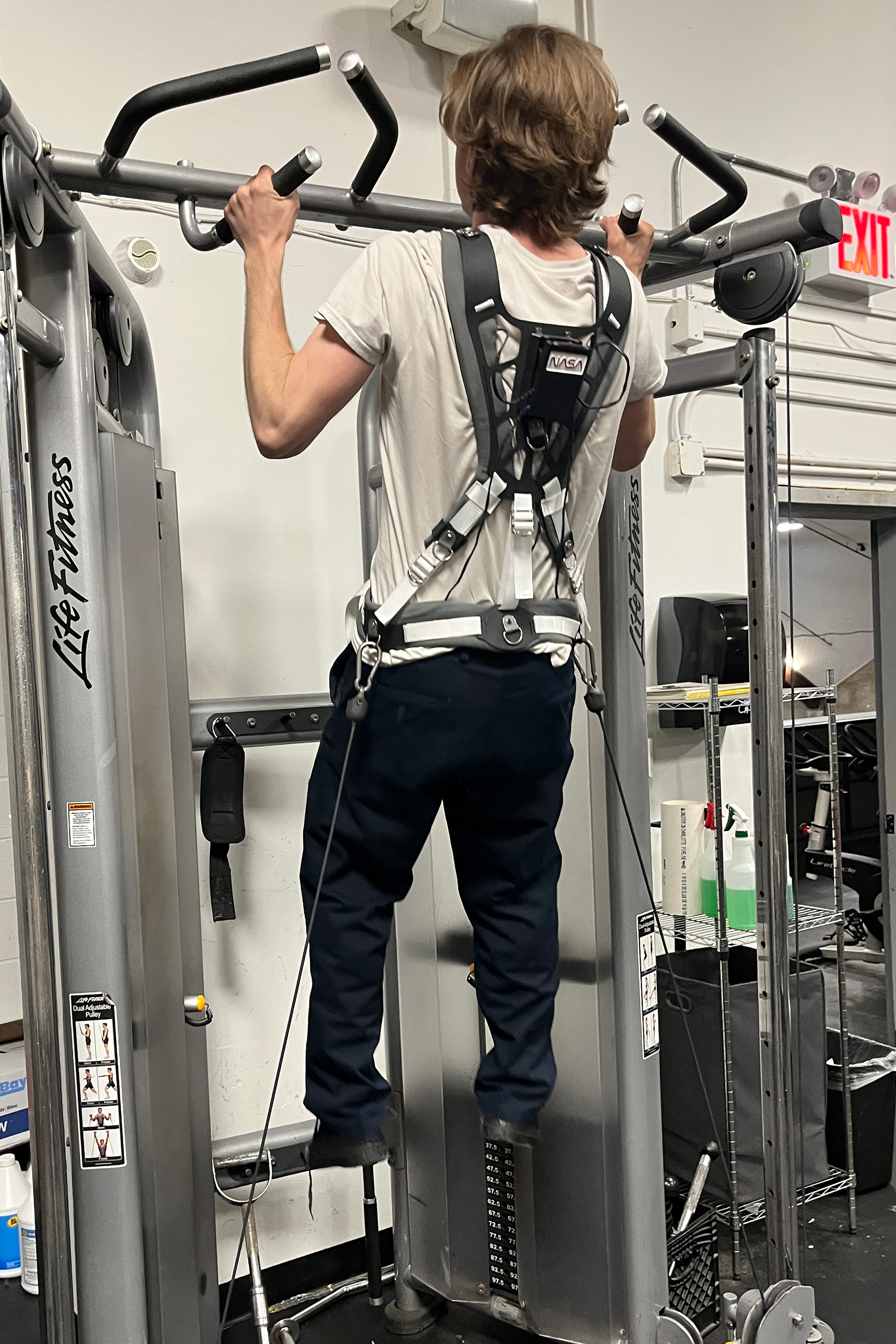
User testing. To assess the harness’s performance, we employed a pull-down machine to simulate the gravitational force experienced in space. This simulation enabled us to comprehend the harness’s sensations during exercise.