Objective
Current athletic wearables estimate workout load from generic movement and heart rate data, leaving a critical injury prevention gap. None measure muscle strain or body mechanics directly. The objective was to close that gap by detecting harmful arm movement before pain appears, reducing overuse injuries like tendonitis.
Solution
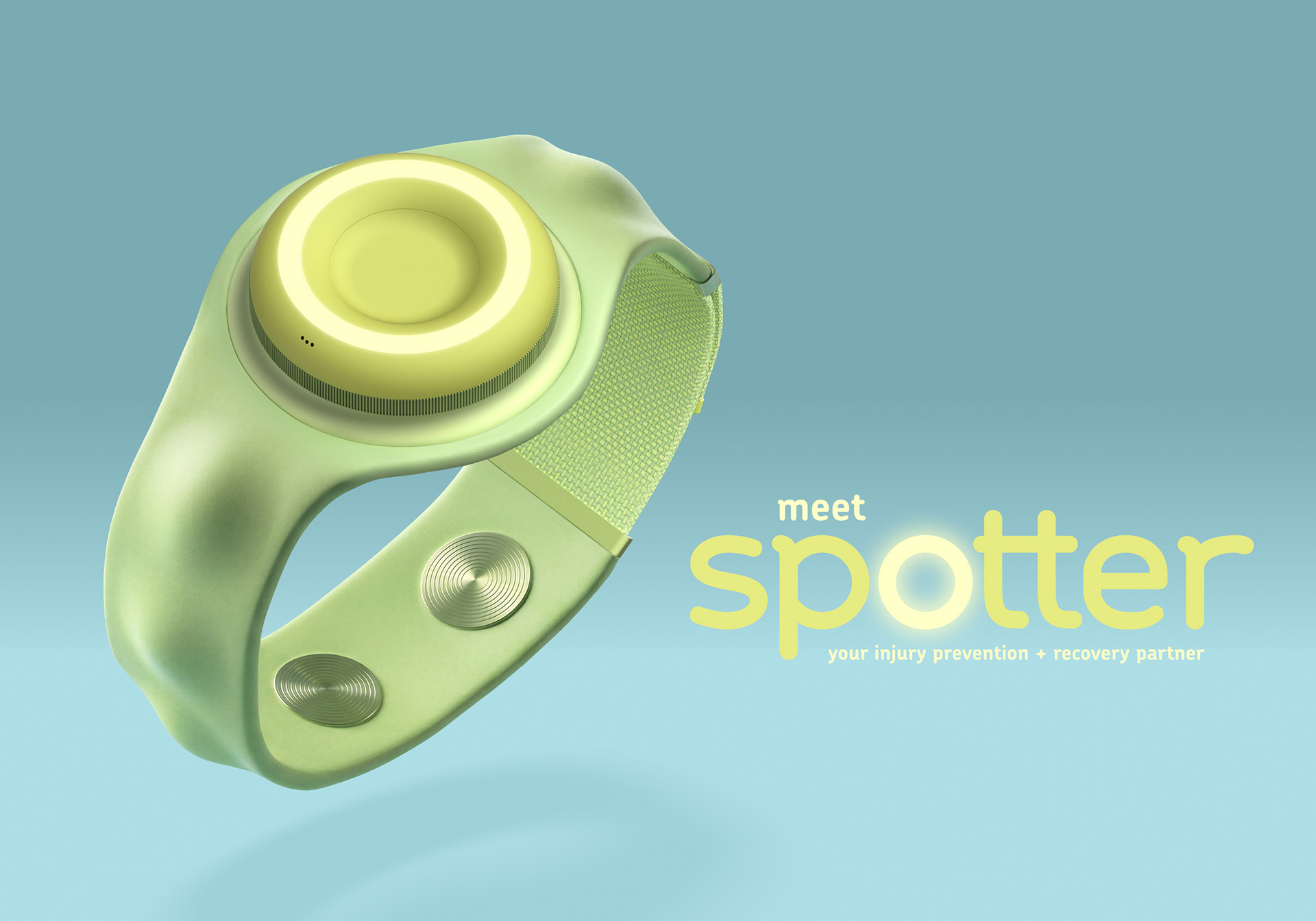
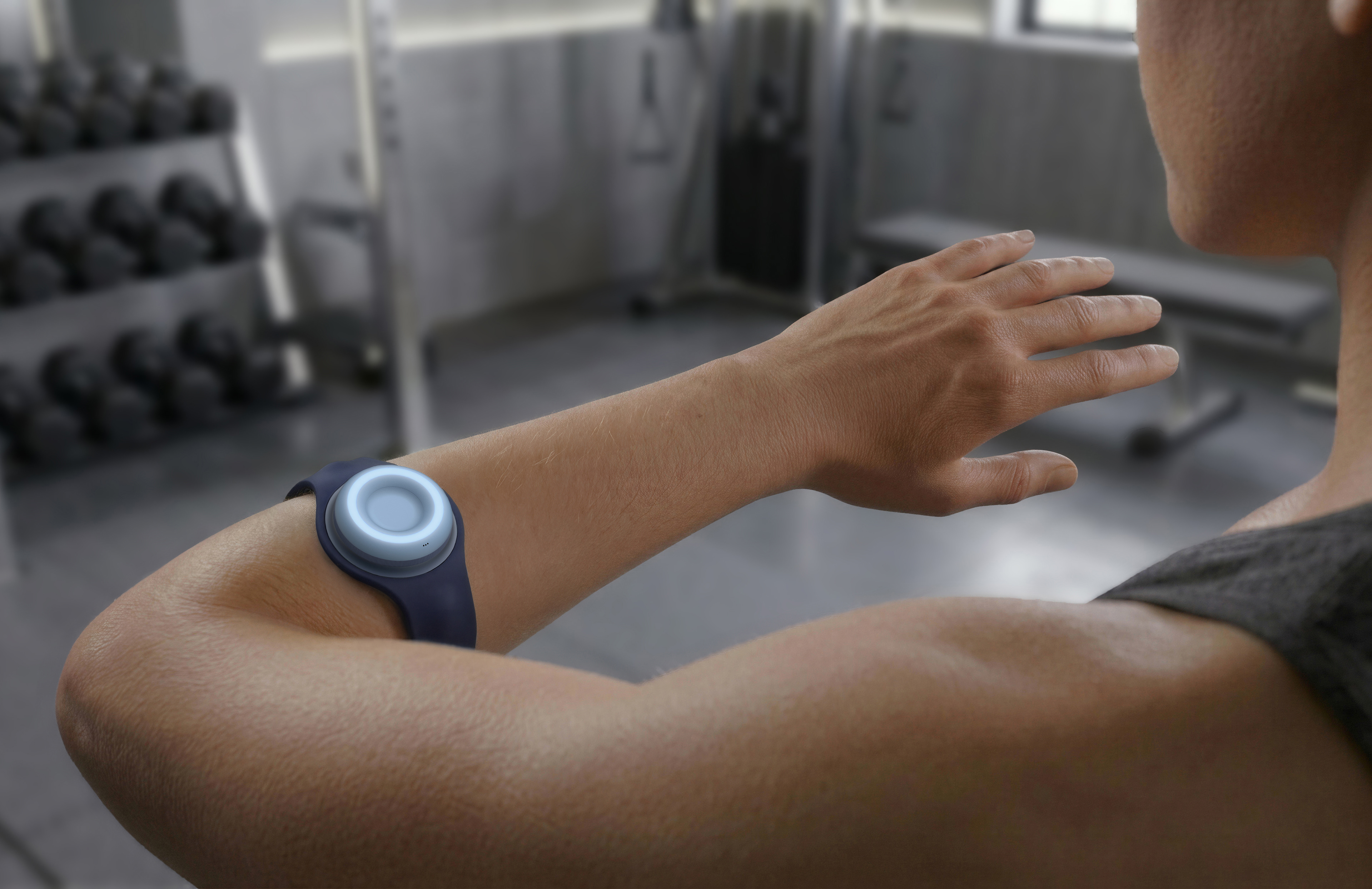
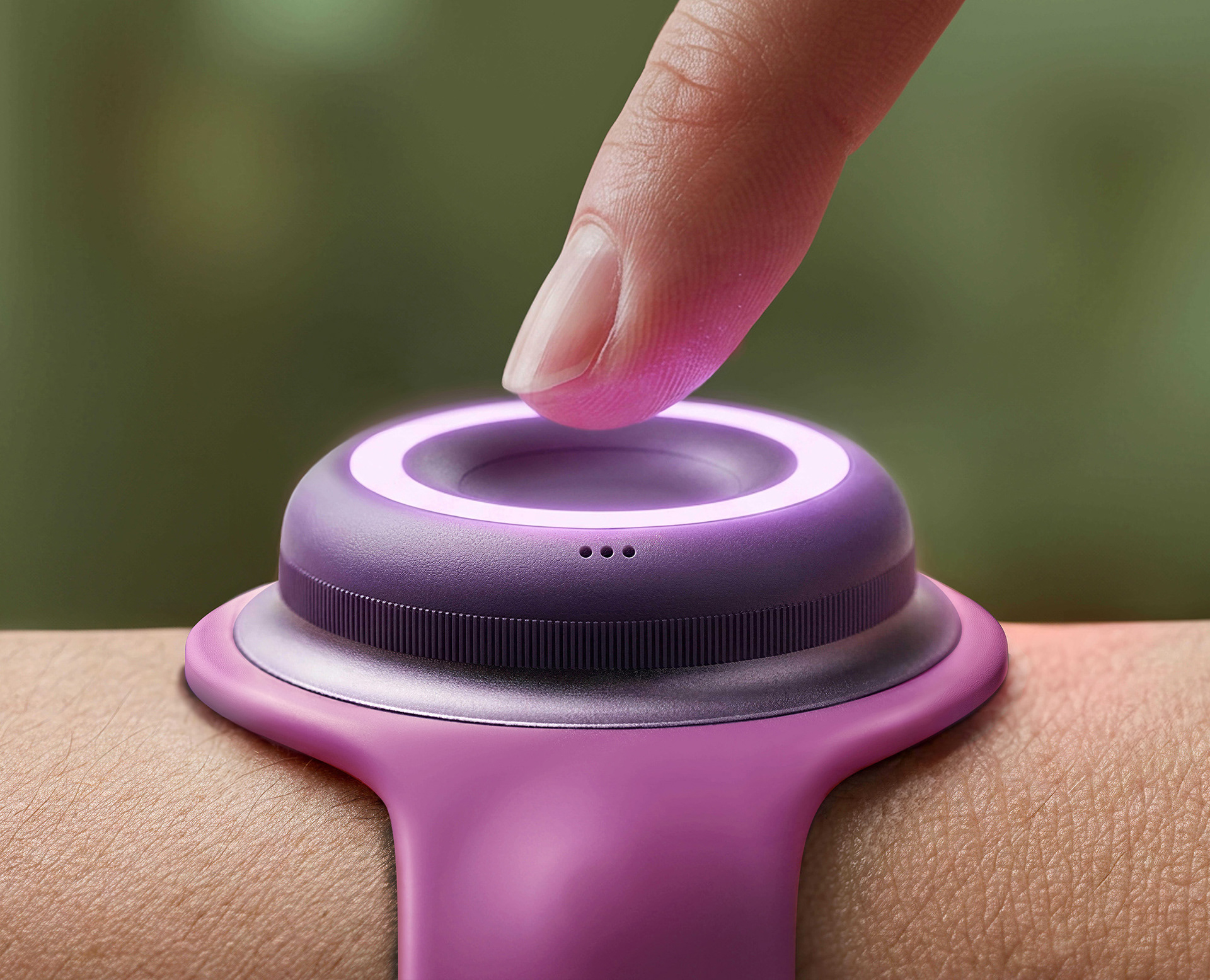
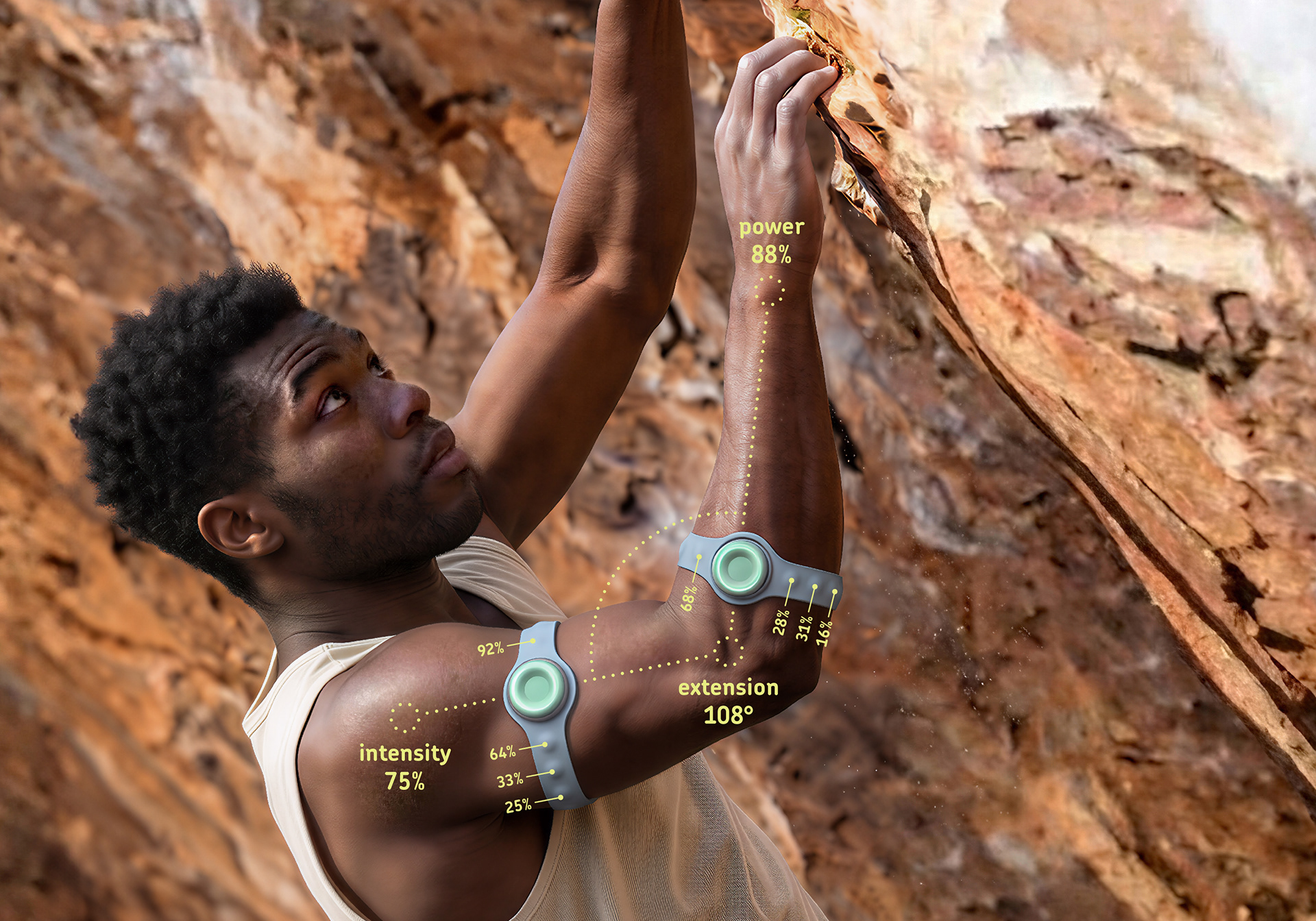
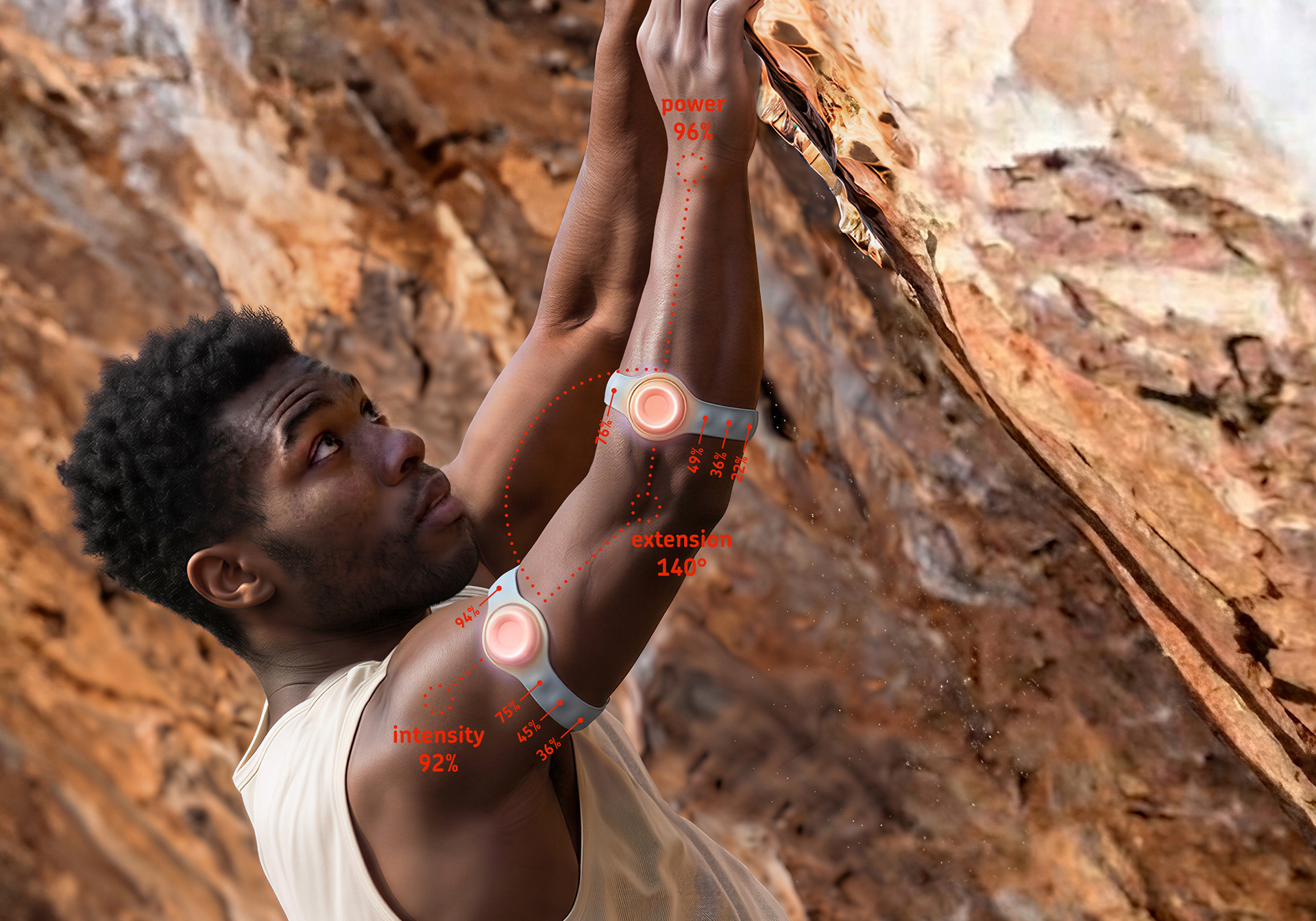
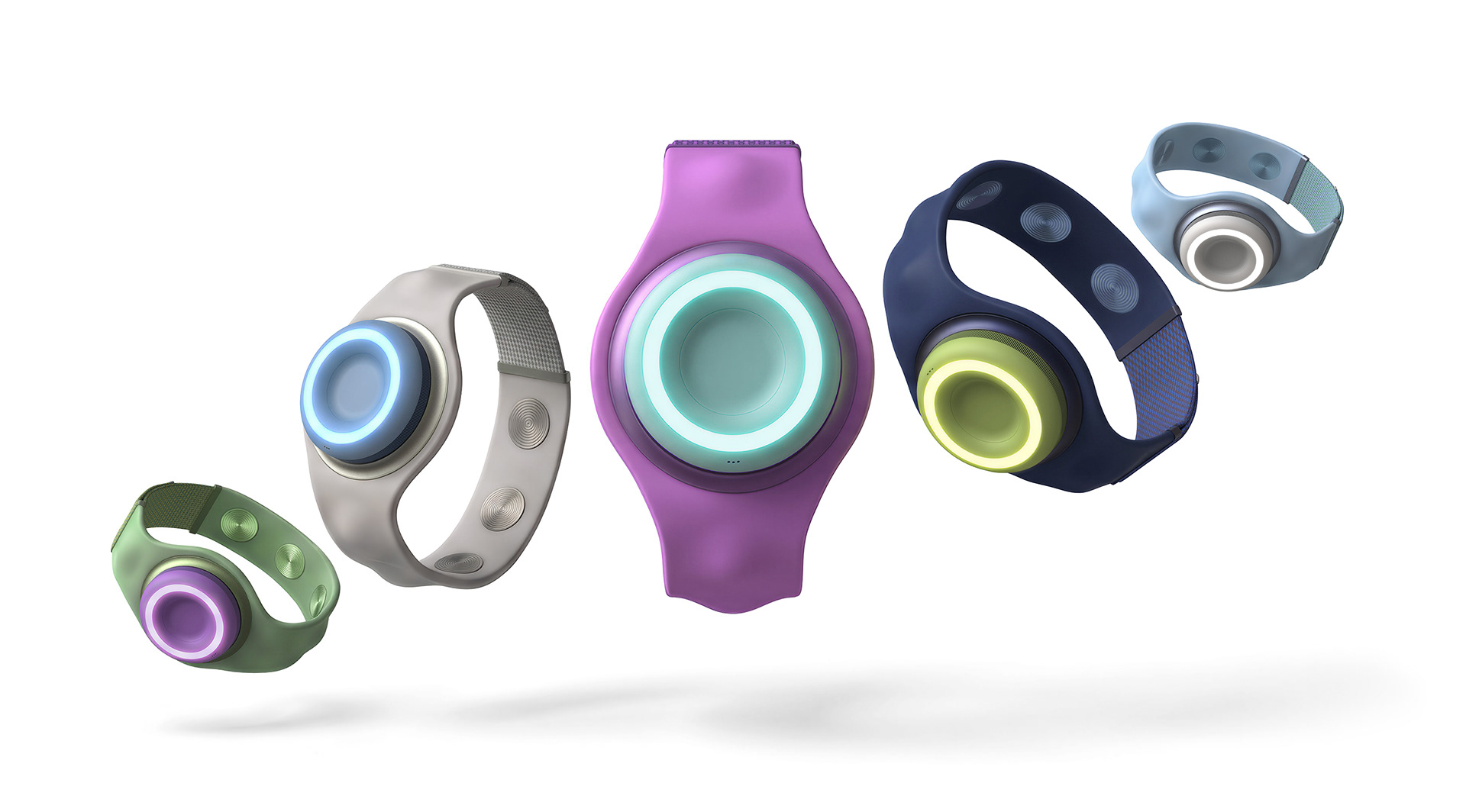
Spotter is an AI-powered forearm wearable using FMG and IMU sensors to track muscle effort and movement, delivering instant haptic, visual, and audible alerts when technique turns risky. Athletes flag discomfort by voice or button, refining a personal threshold profile. Five colorways, modular design, and rugged, low-profile construction suit any sport.


Process
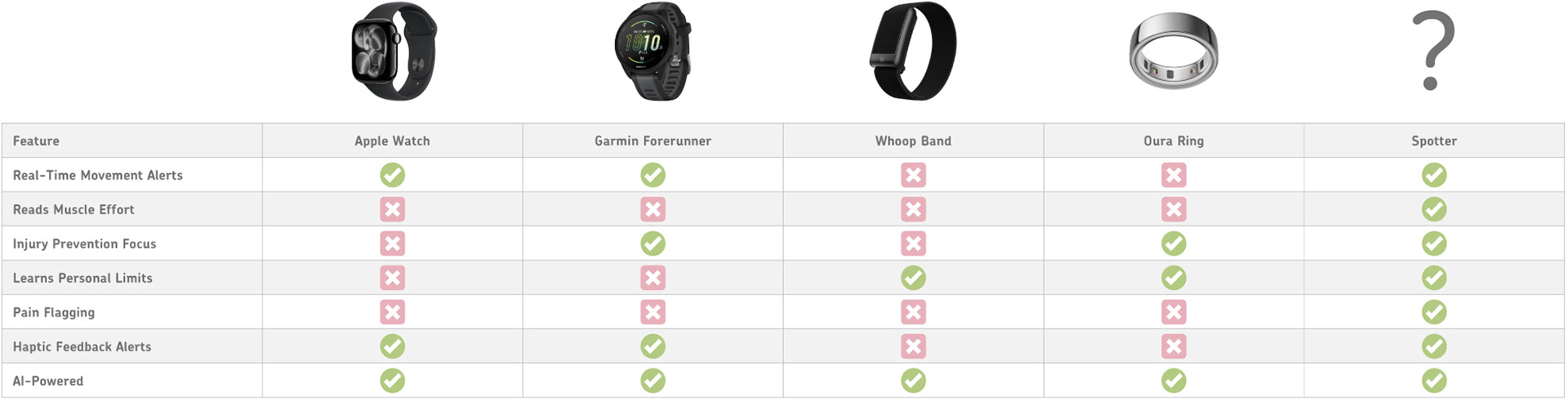
Competitive analysis. Athletic wearables have a blind spot: injury prevention. Most infer workout load from generic movement and heart rate data. None track muscle strain or body mechanics directly.
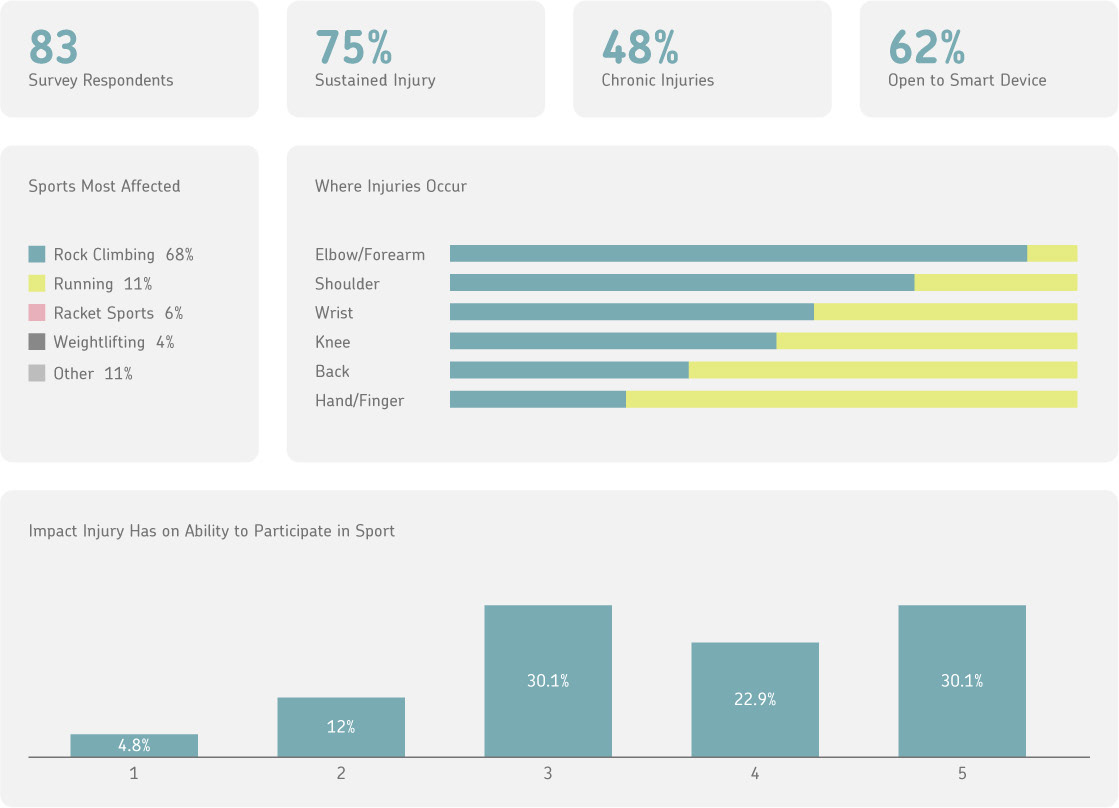
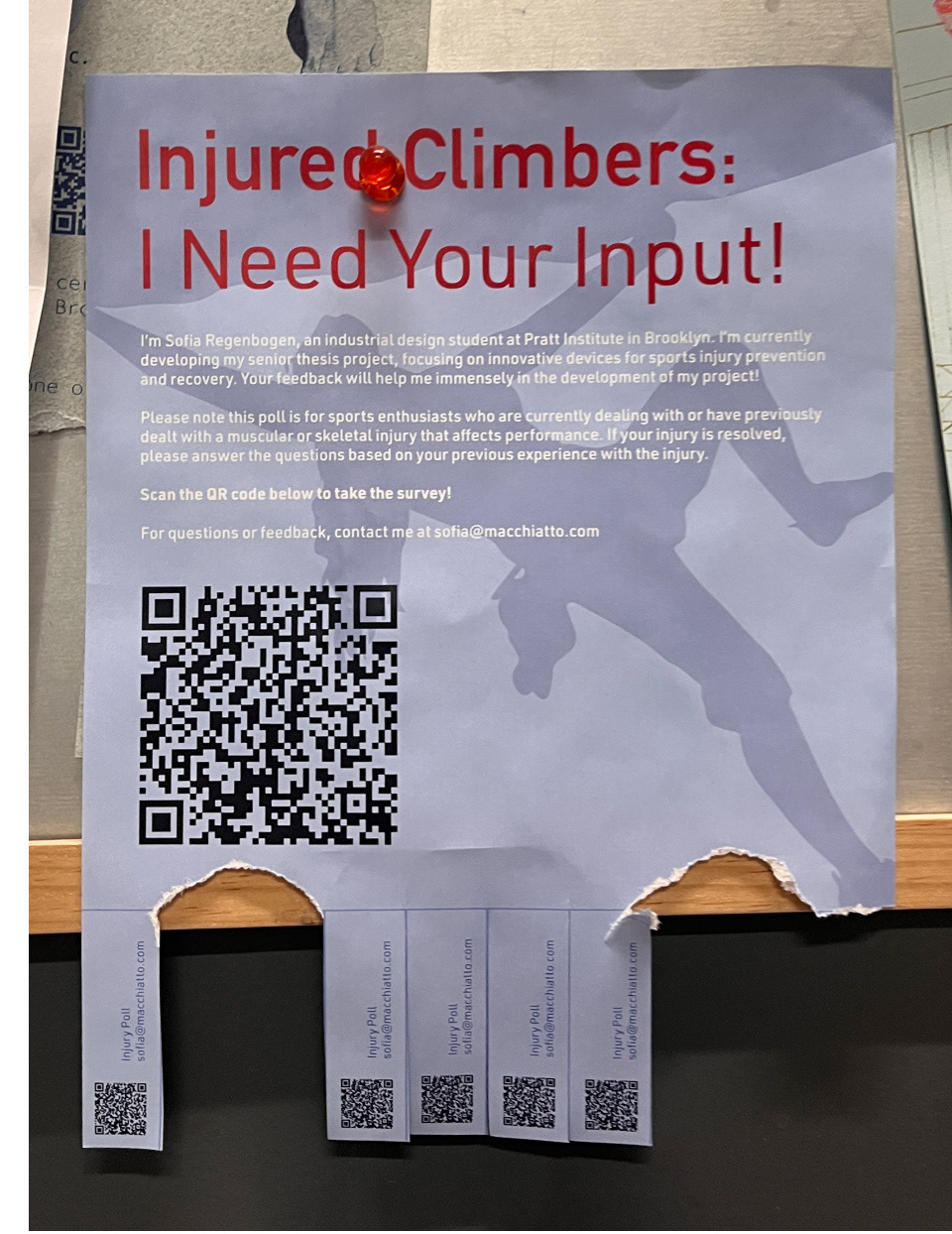
Market research. To map the injury landscape and identify disruption opportunities, I built an online poll, distributed through gym fliers and word of mouth. I surveyed arm-sport athletes across climbing, tennis, cycling, and more – validating product variables before a single design decision was made.
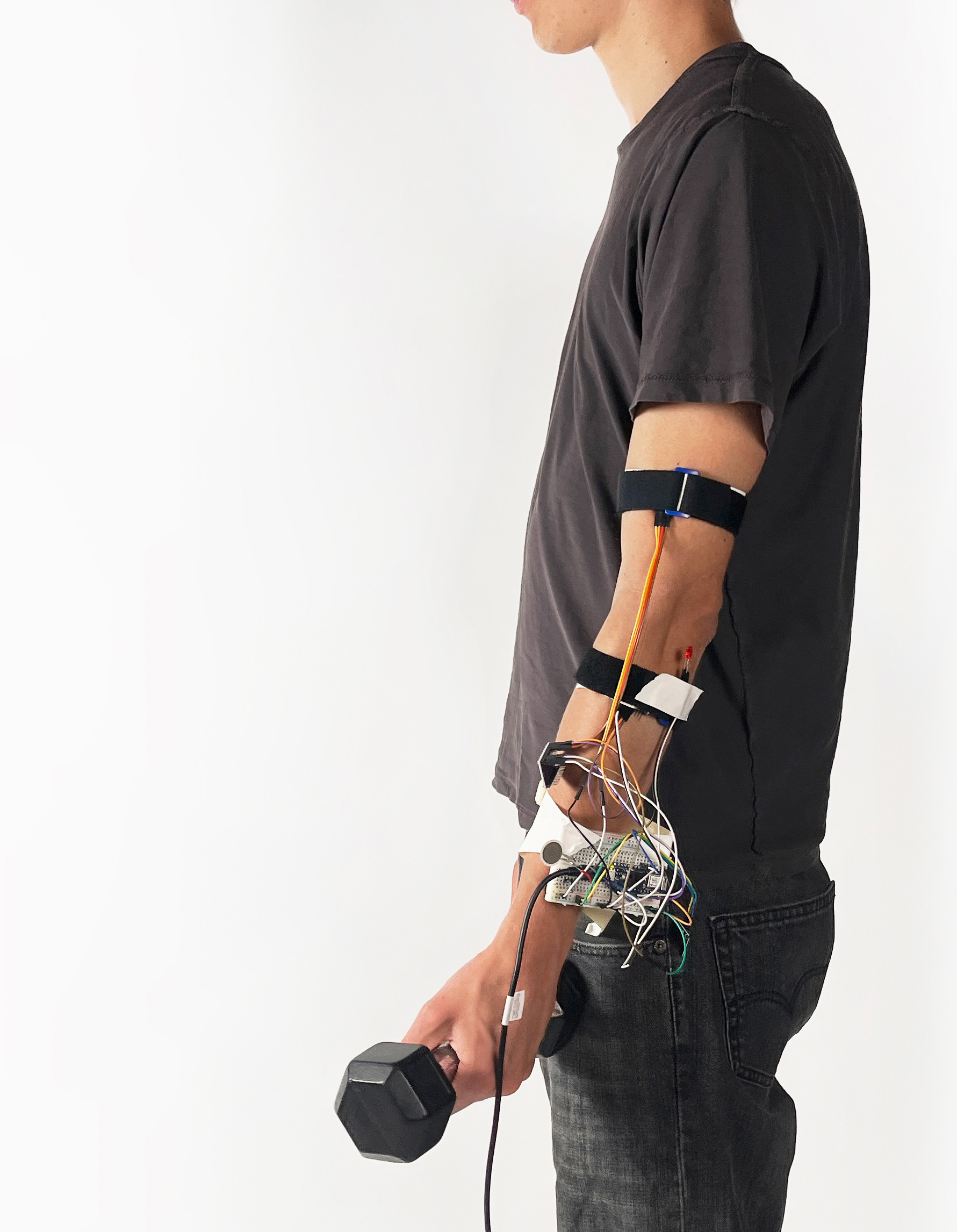
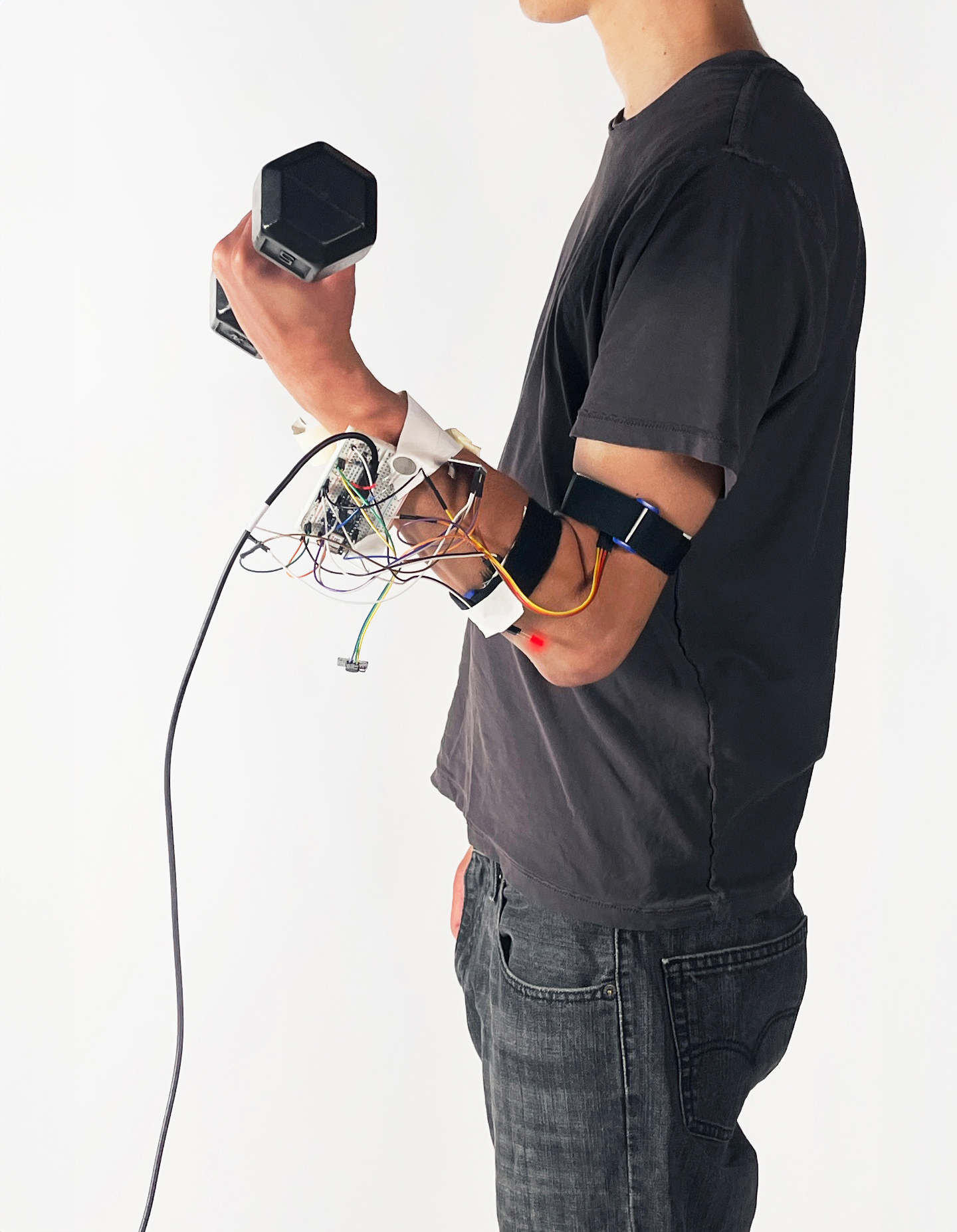
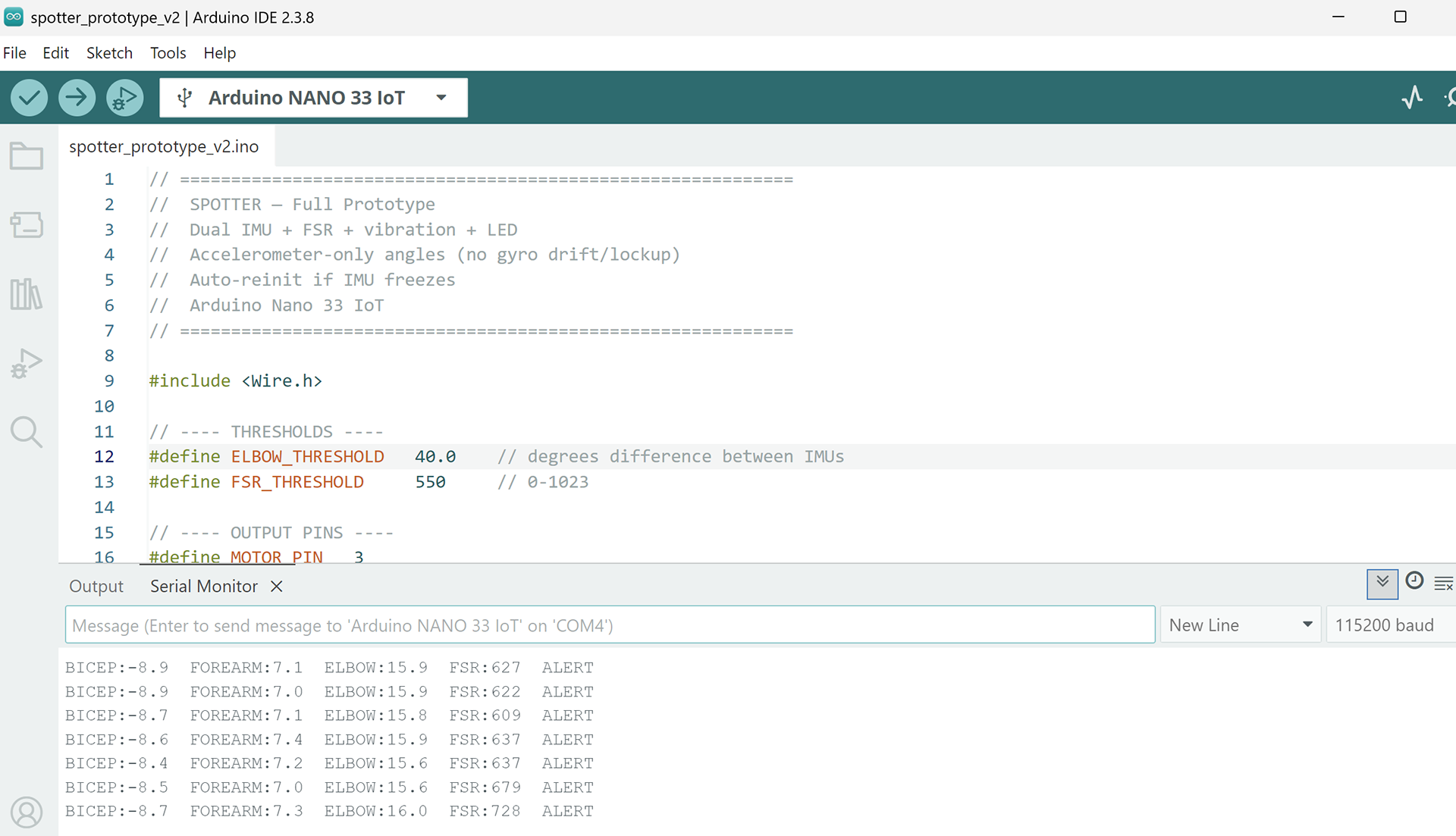

Functional prototype. To prove the biometric tracking concept, I built a test unit from an Arduino Nano, dual IMU sensors for motion capture, FSR sensors for muscle activation, a haptic motor, and an LED indicator – the fully functional sensing and alert stack in raw form.
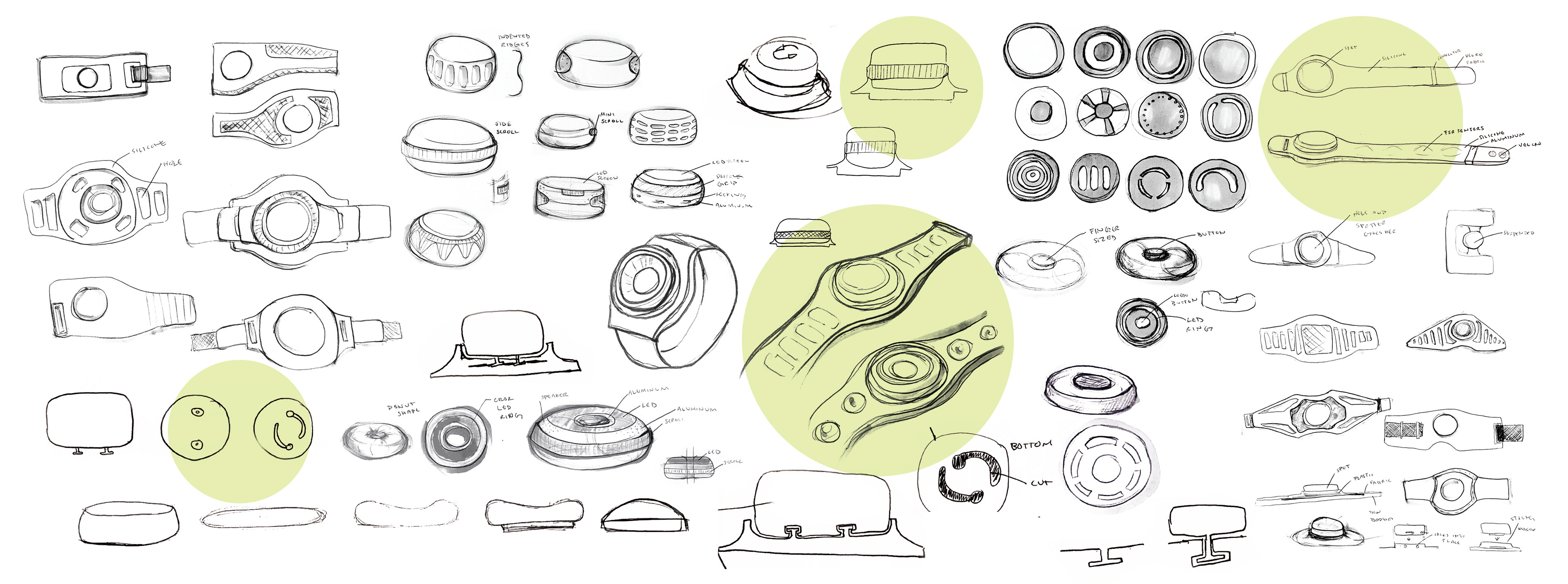
Sketching. With functional requirements locked, I built Spotter’s visual language around its name. Circles and spots repeat throughout – from the puck form to the FSR sensor bumps to the LED ring.

Gen AI. I used Vizcom throughout to rapidly explore form directions, test materials, and validate appearance concepts – before committing to CAD or physical prototypes.
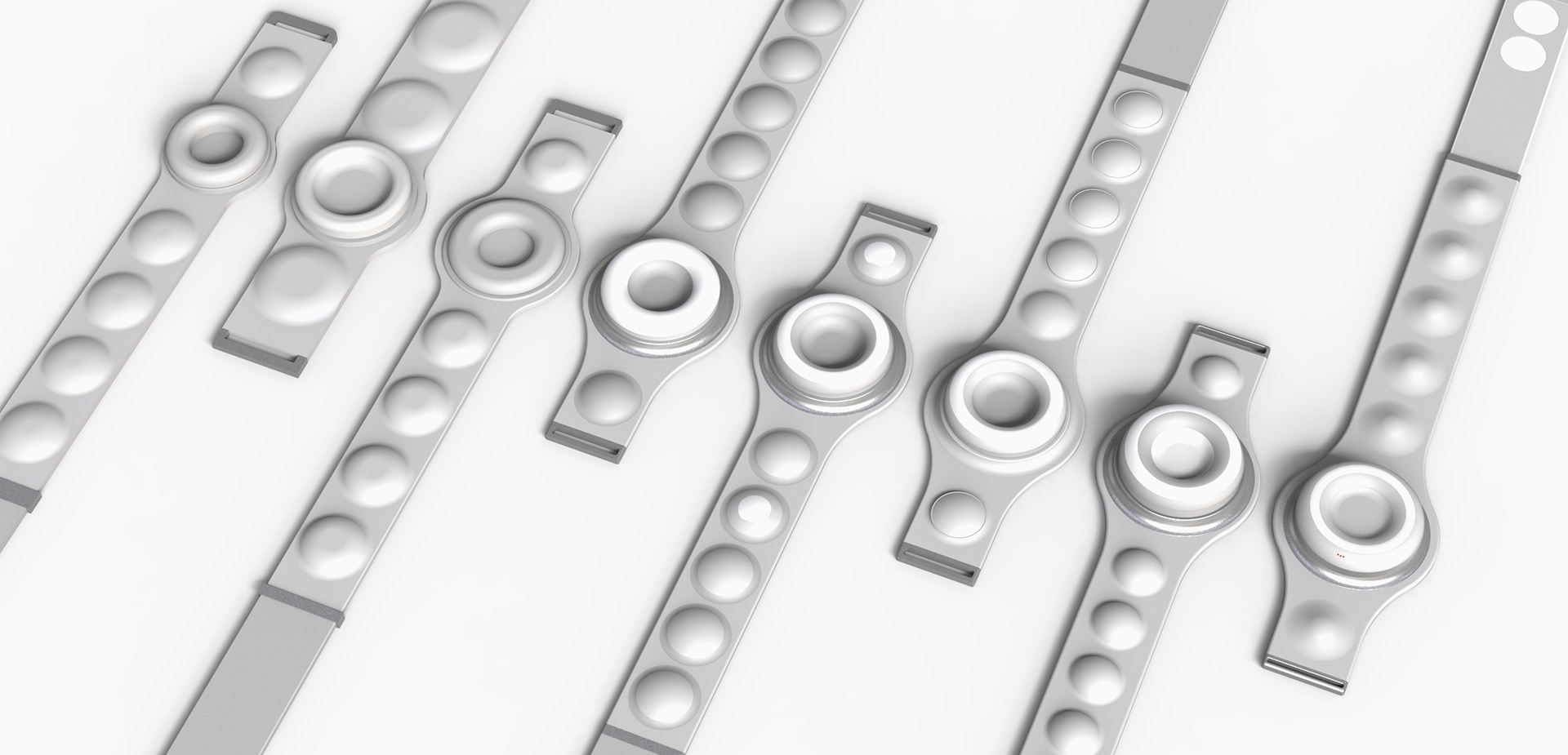
Rendering studies. With the concept direction set, I moved into SolidWorks to dial in proportions, explore snap-fit mechanisms, and develop precise geometries.
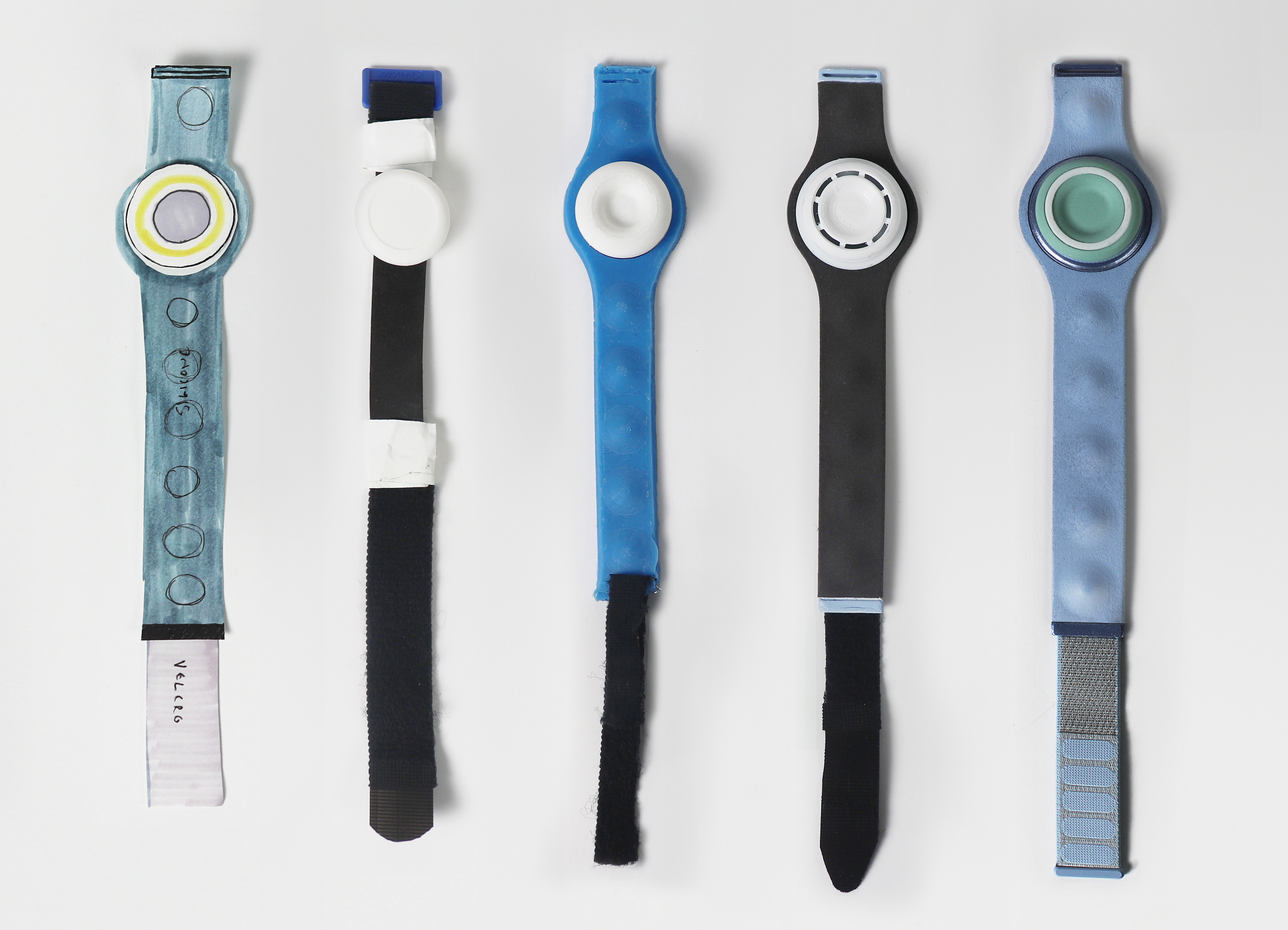
Prototypes. Physical prototypes were a constant throughout the process – the fastest way to understand how Spotter would look and feel on the body.
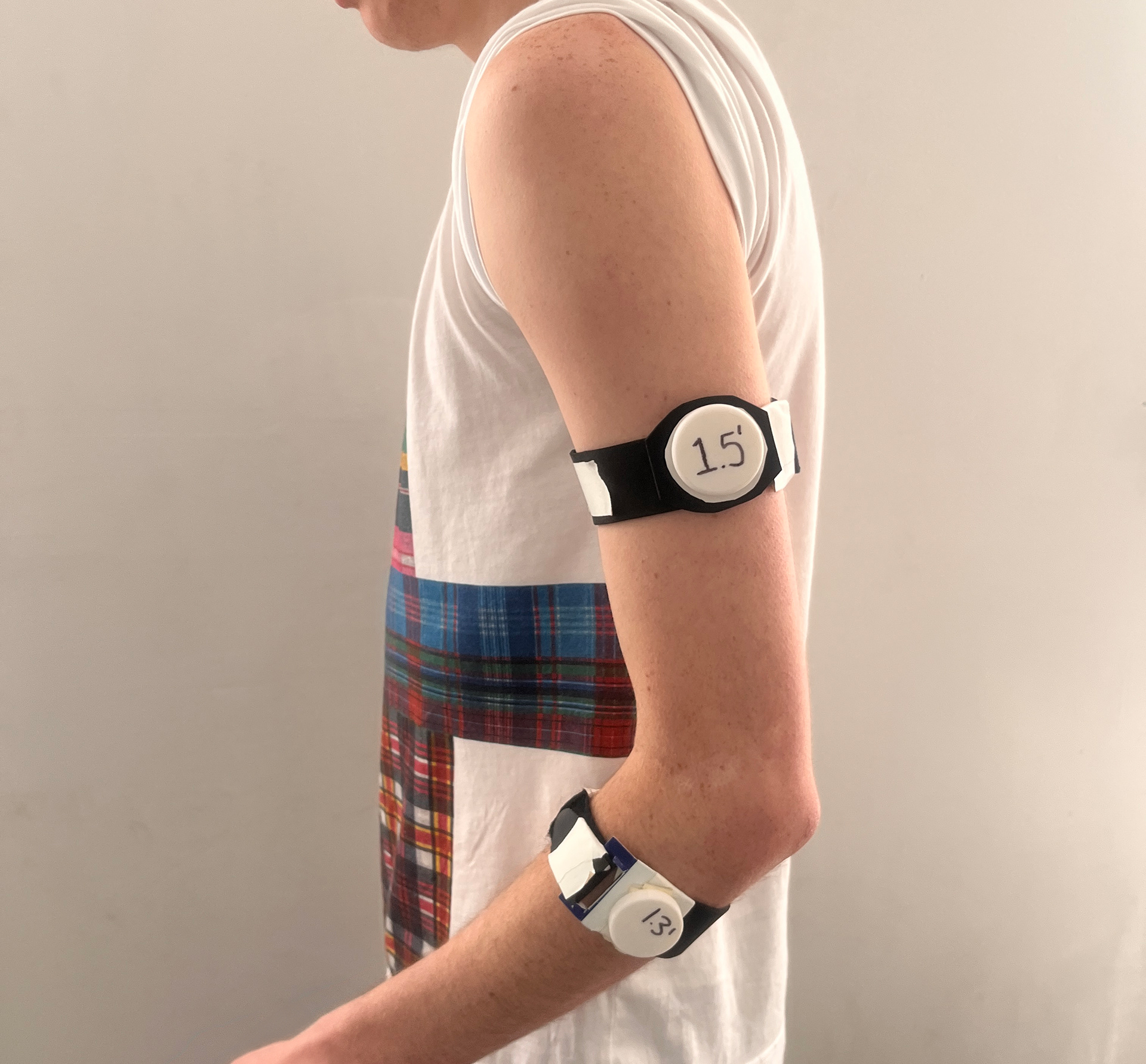
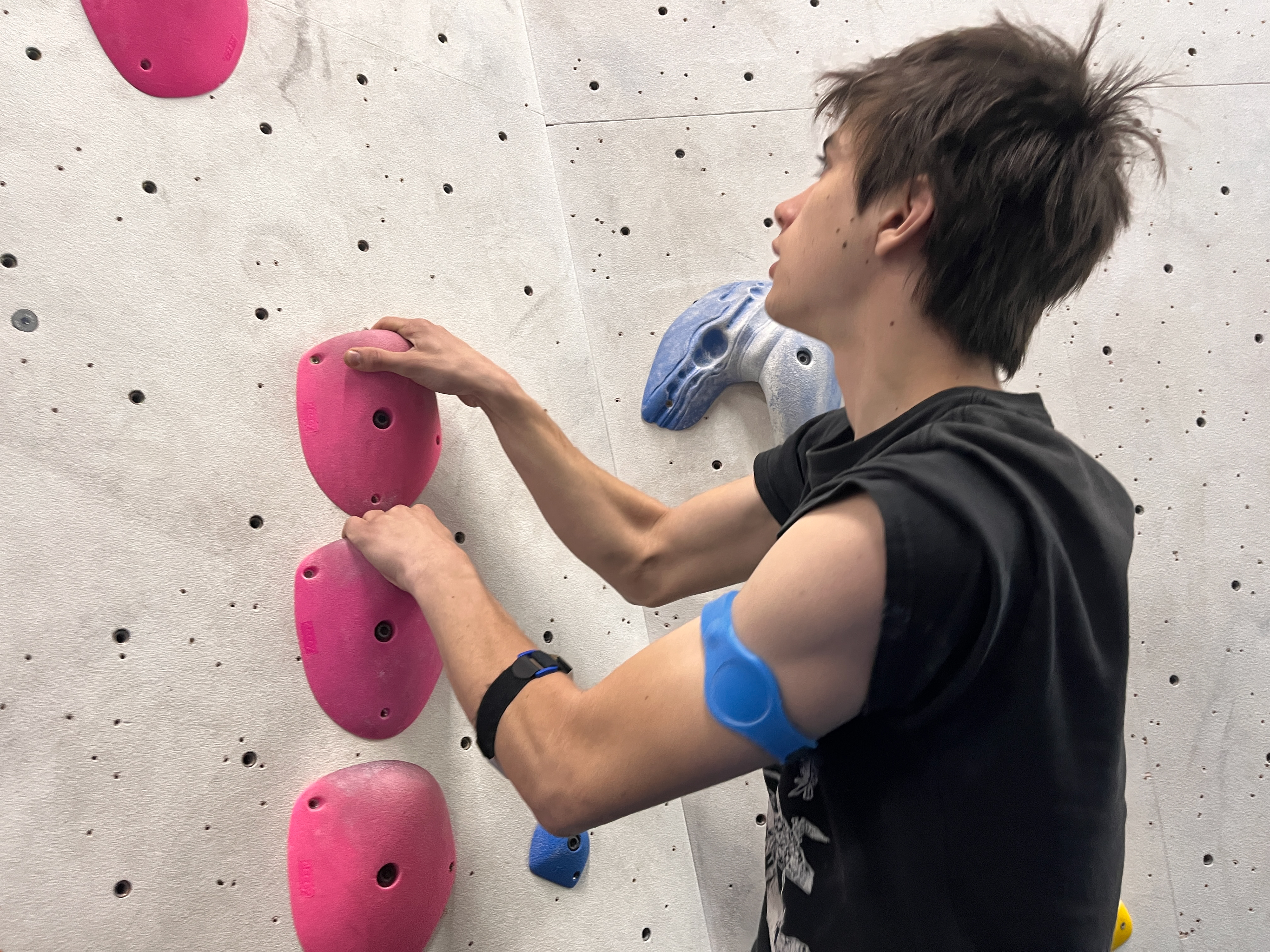
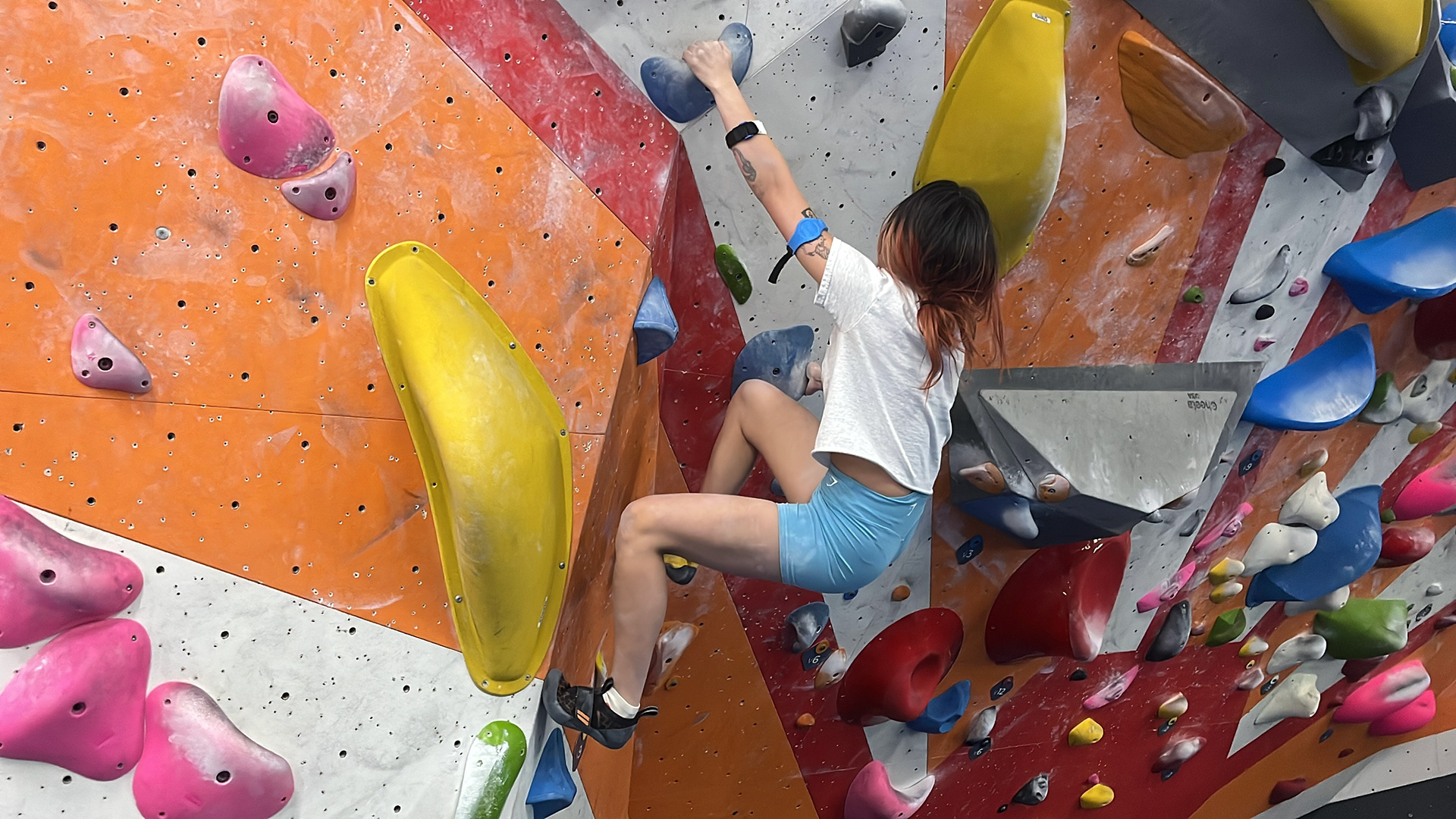
User testing. Concepts were tested in real athletic environments to identify shifting, discomfort, and sizing issues – and to sharpen the design through each iteration.
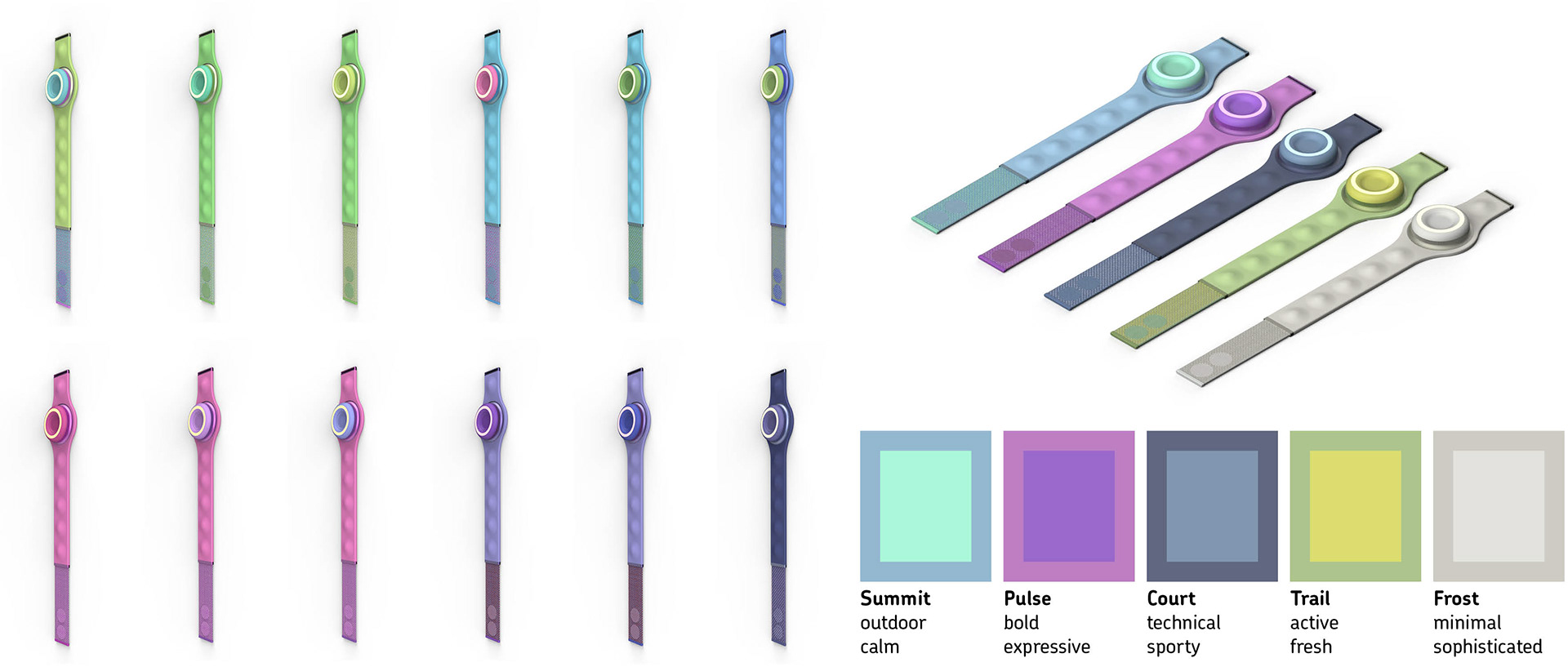
CMF. Taking cues from 1980s Swatch watches but with a modern palette, I developed five interchangeable colorways that feel bold and fashionable – not clinical. Band materials had to hold up to sweat and the demands of the most active athletes.